Aggregated Performance Data Driving Consistent Cashout Processes at Licensed Platforms
Written by Morgan Günther · Aug 26, 2026
Aggregated Performance Data Driving Consistent Cashout Processes at Licensed Platforms
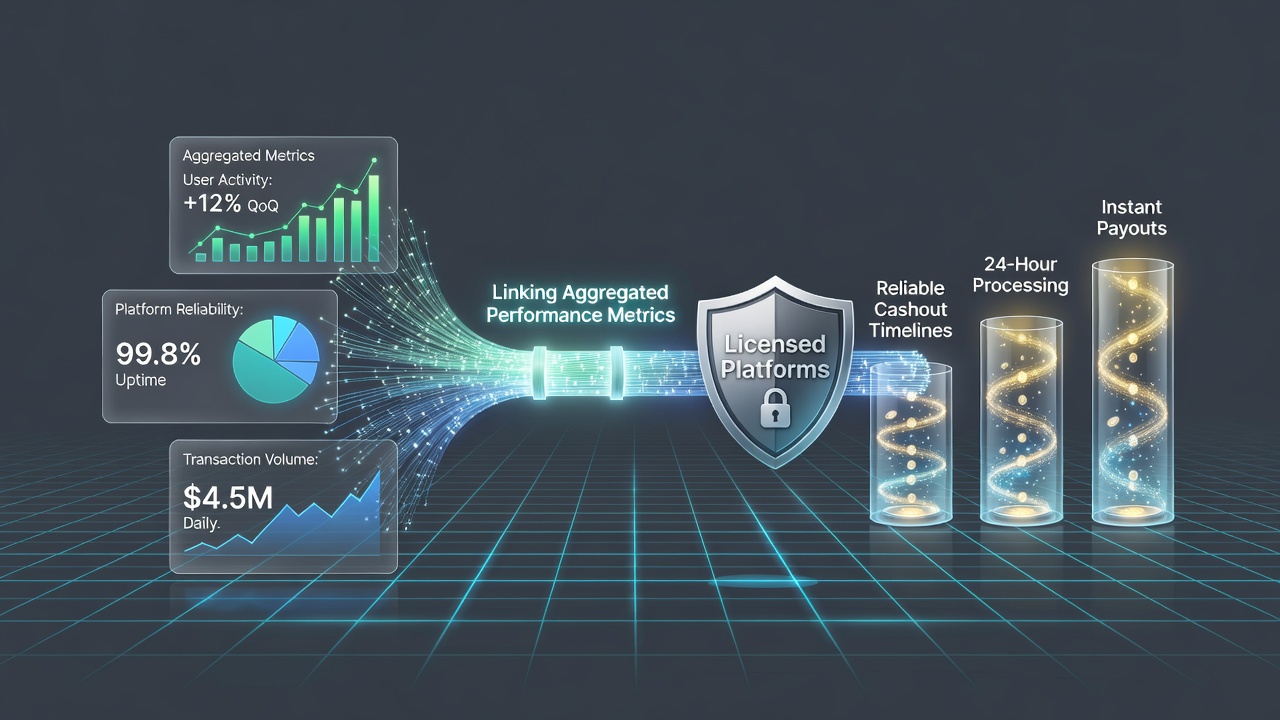
Operators at licensed platforms have developed systems that tie aggregated performance metrics directly to cashout timelines, creating predictable schedules for users who meet verification standards. These systems compile data from multiple sources including transaction histories, account activity patterns, and external benchmarks to determine when withdrawals can proceed without extended reviews. Research from regulatory bodies shows that such linkages reduce processing delays by aligning internal checks with verifiable performance indicators.
Core Components of Metric Aggregation
Performance metrics in this context encompass volume of completed transactions, frequency of successful deposits, and adherence to platform rules over defined periods. Platforms aggregate these figures using automated tools that pull real-time information while cross-referencing historical records. Data indicates that accounts demonstrating steady patterns across six or more months often qualify for expedited cashouts, whereas newer accounts undergo additional layers of confirmation. Observers note that this approach stems from requirements set by oversight agencies in various jurisdictions, including those tracked by the Australian Gambling Research Centre.
August 2026 marks the rollout of updated reporting standards in several Canadian provinces, where aggregated metrics must now include anonymized user cohort data to support faster timeline validations. These standards require platforms to demonstrate how performance thresholds correlate with payout reliability, shifting focus from individual case reviews to broader statistical models.
Establishing Reliable Timelines Through Data Linkages
Licensed platforms connect aggregated metrics to cashout timelines by establishing clear thresholds that trigger automated approvals. For instance, accounts showing consistent activity levels combined with verified identity documents move through processing queues more rapidly than those lacking such records. Studies from academic institutions have examined how these linkages operate, finding that platforms using cohort-based analysis achieve higher consistency in meeting advertised payout windows. The process relies on algorithms that weigh multiple variables simultaneously rather than isolated events.
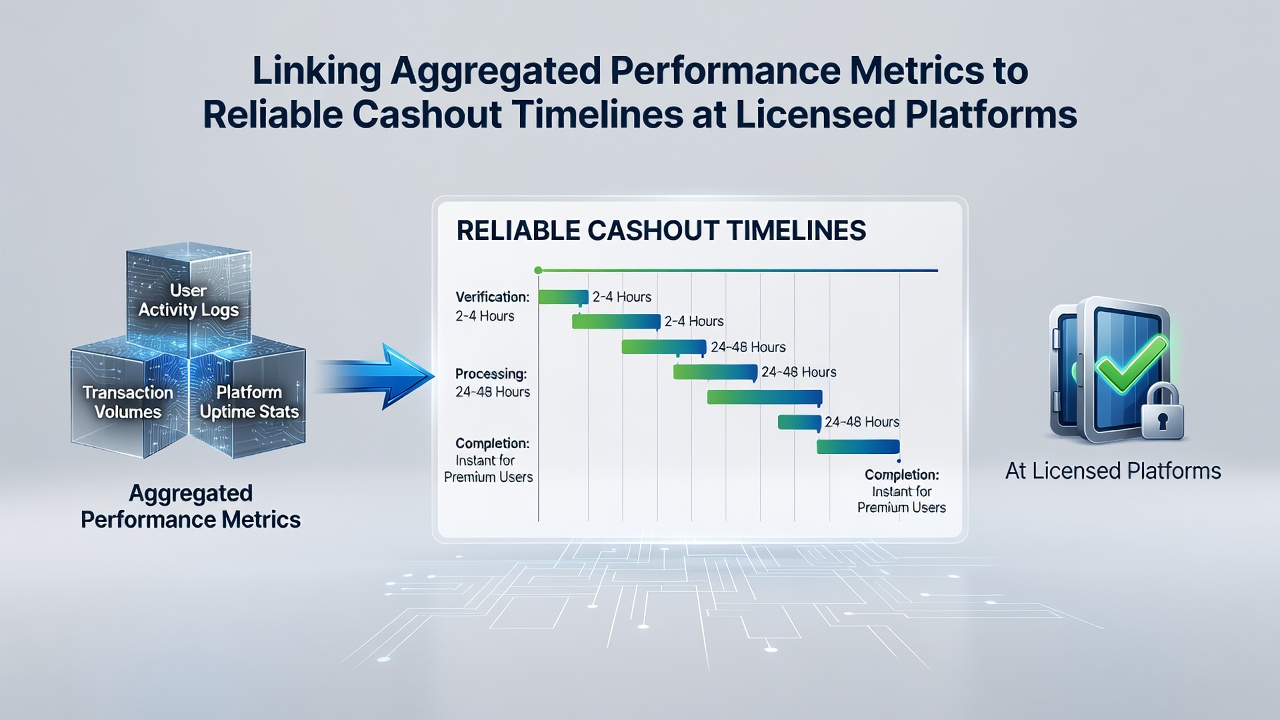
What's interesting here is how external benchmarks factor into internal decisions. Platforms reference industry reports on average processing times across regions to calibrate their own systems. In practice, an account with high aggregate scores in transaction volume and rule compliance receives priority routing, while deviations prompt manual intervention only when metrics fall below established cutoffs. This method draws from frameworks developed by groups such as the European Gaming and Betting Association, which emphasize data-driven compliance over ad-hoc assessments.
Regional Variations in Implementation
Different licensing authorities impose distinct requirements on how metrics translate into timelines. In Australian states, operators must publish average cashout durations segmented by user performance categories, making the linkages transparent to regulators and users alike. Canadian frameworks, particularly those advancing in 2026, stress integration with national databases for real-time verification, allowing platforms to shorten timelines for accounts that maintain strong aggregated records. Those who've analyzed these systems point to reduced dispute rates when metrics and timelines align closely.
Platforms operating across borders adapt by maintaining separate aggregation models tailored to each jurisdiction's rules. One case involves operators adjusting thresholds based on local transaction norms, ensuring that cashout reliability remains consistent even as user bases expand. Evidence from regulatory filings reveals that such adaptations help meet compliance benchmarks without compromising operational efficiency.
Challenges and Adjustments in Metric Application
Linking aggregated data to cashouts presents ongoing calibration needs as user behaviors evolve. Platforms monitor shifts in aggregate patterns and update thresholds accordingly to avoid bottlenecks. Research indicates that periodic reviews of these models, often conducted quarterly, maintain alignment with both regulatory expectations and platform capabilities. Accounts that experience temporary dips in performance metrics may encounter extended timelines until patterns stabilize again.
Yet the reality is that transparency around these processes has grown, with many licensed entities providing users access to their individual metric summaries through account portals. This allows proactive management of factors influencing cashout speed. Data from oversight reports shows measurable improvements in user satisfaction metrics when such information becomes available.
Conclusion
The connection between aggregated performance metrics adn reliable cashout timelines continues to shape operations at licensed platforms through structured data use and regulatory alignment. As standards advance in regions like Australia and Canada, these linkages support more consistent processing outcomes while meeting compliance demands. Platforms that refine their aggregation methods based on verified benchmarks position themselves to deliver predictable timelines across diverse user groups.