Banking Nuances Across Regions Shape How Bettors Deposit Funds in Regulated Markets
Written by Yves Hughes · Jun 28, 2026
Banking Nuances Across Regions Shape How Bettors Deposit Funds in Regulated Markets
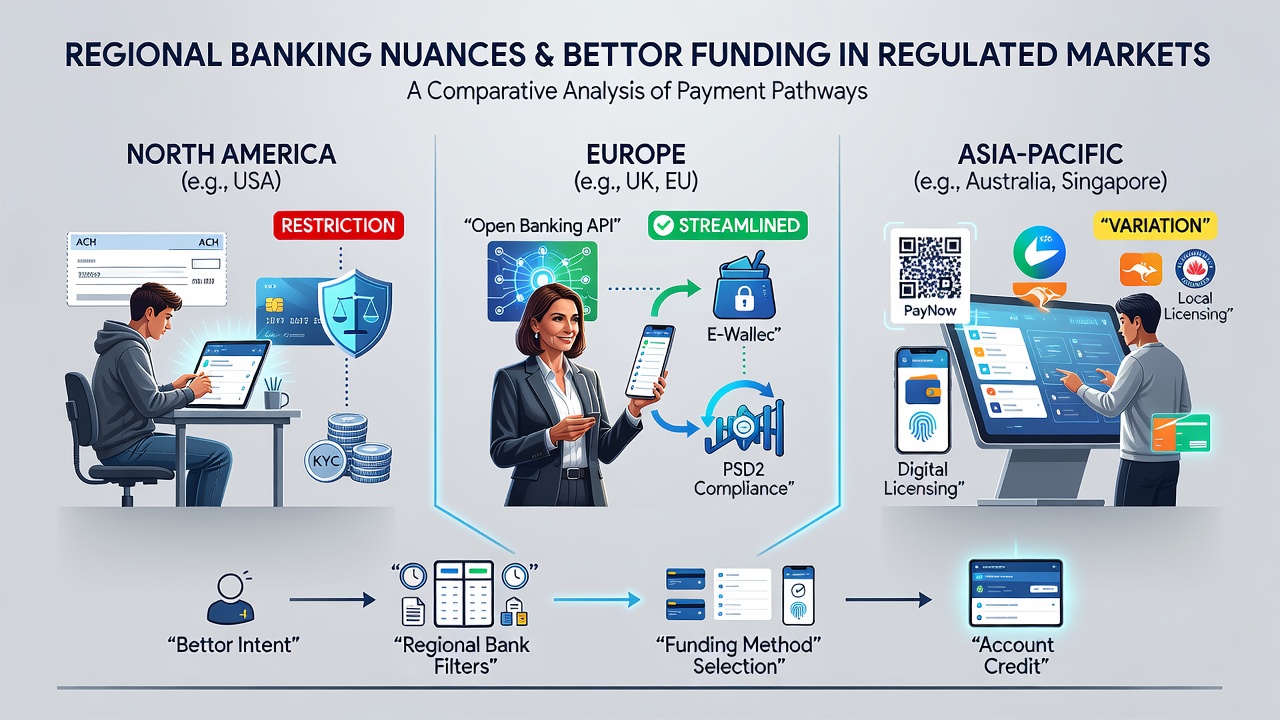
Regional banking regulations create distinct pathways for bettors seeking to fund accounts in controlled gambling environments, with variations emerging from local financial oversight, anti-money laundering protocols, and payment infrastructure differences. Data from multiple jurisdictions shows that these factors directly influence available deposit methods, processing times, and transaction limits. Observers note that bettors in one area often encounter options unavailable elsewhere, while those crossing borders must adapt to new rules that affect everything from instant transfers to recurring payments.
United States State-Level Variations Drive Funding Differences
State-specific rules in the US produce noticeable contrasts in how regulated sportsbooks handle deposits. ACH transfers through banking partners remain common in states like New Jersey and Pennsylvania, where operators integrate with local financial institutions to meet strict verification standards set by gaming control boards. Credit card deposits face tighter restrictions in several markets because federal guidelines limit their use for gambling transactions, leading many platforms to emphasize e-wallets or prepaid options instead. Research from the University of Nevada Las Vegas Center for Gaming Research indicates that processing speeds vary widely, with some states requiring additional identity checks that extend funding times from minutes to several hours.
Wire transfers serve as a fallback in markets with conservative banking policies, though fees and minimum amounts can discourage smaller bettors. Those who study these patterns point out that mobile banking apps have gained traction recently, allowing users to initiate deposits through approved state channels while complying with geofencing requirements that tie accounts to physical locations.
Canadian Provincial Systems Emphasize Secure Transfers
Provincial oversight in Canada shapes deposit practices through frameworks administered by bodies such as the Alcohol and Gaming Commission of Ontario, which prioritizes verified bank transfers and Interac e-Transfers for regulated platforms. These methods align with national banking standards that emphasize fraud prevention, resulting in fewer instant options compared to some US states. Bettors in Ontario and British Columbia frequently rely on accounts linked directly to domestic banks, where transaction monitoring ensures compliance with federal anti-money laundering legislation. Figures from industry reports reveal that prepaid cards see limited adoption here due to restrictions on gambling-related loads, pushing users toward established electronic fund transfers that clear within one business day.
Australian and European Markets Highlight Card and Digital Wallet Trends
Australian states enforce banking policies that favor digital wallets and bank transfers over credit cards for online wagering accounts, following guidelines from state gaming authorities that aim to reduce debt accumulation. This approach leads to slower initial funding in some cases, as bettors must complete additional verification steps before accessing full deposit features. In European regulated markets outside the UK, variations appear across countries where the European Banking Authority influences cross-border payment rules, allowing some nations to support faster card deposits while others restrict them to licensed e-wallets only.
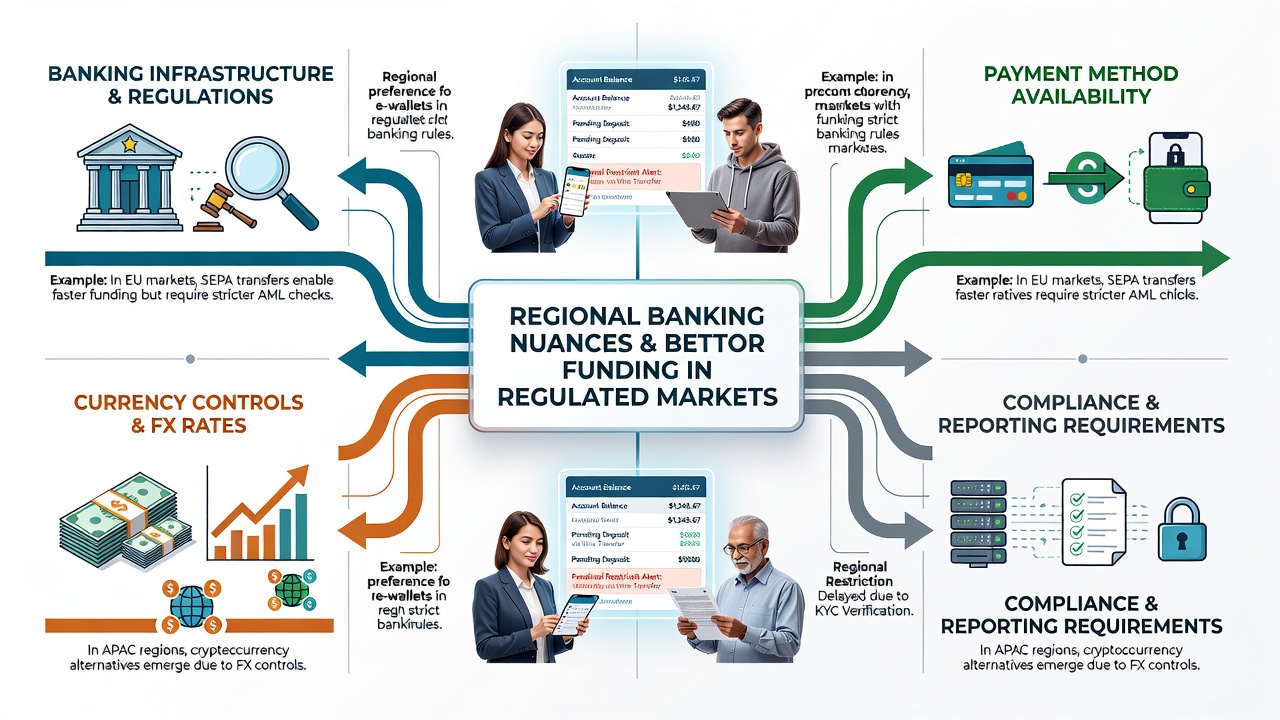
Payment processors adapt to these environments by offering region-specific integrations, and data shows higher usage of services like PayPal or local equivalents where banking regulations permit them. June 2026 updates to certain digital payment standards in Australia and select EU countries introduced enhanced security protocols that slightly increased verification times for new accounts but improved overall transaction security.
Challenges with Cryptocurrency and Emerging Methods
Cryptocurrency deposits remain restricted or prohibited in many regulated markets due to volatility concerns and regulatory uncertainty, though a few jurisdictions have begun piloting licensed crypto options under strict oversight. Traditional banks in these areas often block or flag gambling-related crypto transactions, forcing bettors to explore alternative funding routes that comply with local rules. Studies from academic institutions tracking payment trends indicate that regions with clearer crypto guidelines see gradual adoption, while others maintain outright bans that limit options for tech-savvy users.
Conclusion
Regional banking differences continue to define the practical experience of funding betting accounts in regulated markets, with each jurisdiction balancing consumer protection, financial stability, and operational efficiency. Bettors benefit from understanding these local requirements before attempting deposits, as mismatched expectations can lead to delays or rejected transactions. Ongoing developments in payment technology and regulatory alignment suggest further refinements ahead, particularly as digital banking evolves across borders.