Behind the Blacklist: What Triggers Sportsbook Bans and Shields Bettors from Risks
Written by Kai Hayes · Apr 19, 2026
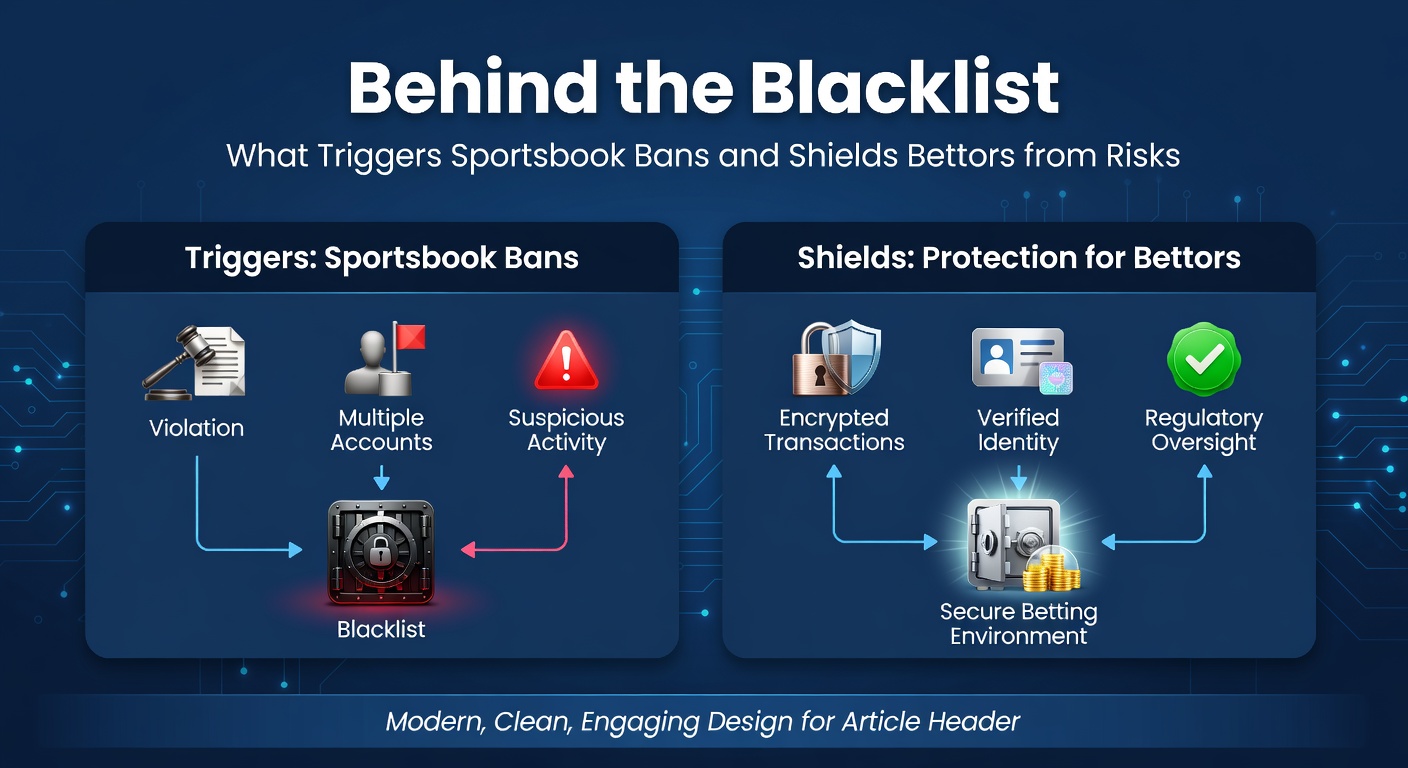
Behind the Blacklist: What Triggers Sportsbook Bans and Shields Bettors from Risks
Sportsbooks maintain blacklists to flag certain bettor accounts, a practice that surfaces repeatedly across regulated markets; observers note how these lists emerge from patterns like consistent winning streaks or suspicious deposit behaviors, yet they also serve broader purposes in maintaining platform integrity. Data from industry reports reveals that blacklisting affects a small percentage of users—typically under 5% according to aggregated figures from major operators—while protecting the majority from associated pitfalls. And as betting volumes surge, especially with events like the 2026 NBA playoffs heating up in April, regulators scrutinize these mechanisms more closely to ensure fairness persists.
Unpacking the Mechanics of Sportsbook Blacklists
Blacklists operate as internal databases where sportsbooks catalog accounts deemed high-risk; these systems cross-reference user data such as IP addresses, betting histories, and transaction patterns, flagging anomalies before they escalate. Experts who track gaming compliance explain that operators deploy algorithms alongside human oversight, scanning for deviations that signal potential abuse, which allows quick interventions without disrupting legitimate play. What's interesting is how this evolved from early online poker crackdowns in the 2000s, adapting to sports wagering where volumes hit billions annually across states like New Jersey and Pennsylvania.
Take one common setup: a bettor opens multiple accounts under variations of their name, a move that triggers immediate review because it violates terms prohibiting duplicate registrations; platforms link these via shared banking details or device fingerprints, leading to consolidated closures. Or consider matched betting, where users exploit free bet promotions across rival sites—sportsbooks detect this through coordinated wager timings and outcomes, blacklisting participants to preserve promotional equity. Turns out, such tools don't just punish; they shield casual bettors from inflated odds caused by these exploits.
Bonus Abuse: The Most Frequent Culprit
Bonus hunting tops the list of triggers, with data indicating it accounts for nearly 40% of bans per Nevada Gaming Control Board oversight reports from licensed operators; abusers cycle through sign-up offers, wagering minimally to meet rollover requirements before cashing out, which drains promotional budgets designed for retention. Researchers who've analyzed transaction logs find patterns like rapid deposits followed by low-risk parlays, prompting account freezes that prevent further losses to the house. But here's the thing: this practice stabilizes odds for everyday users, as unchecked abuse would force operators to tighten offers across the board.
Arbitrage and Sharp Betting Patterns That Raise Flags
Arbitrage bettors—those exploiting odds discrepancies between sportsbooks—often land on blacklists because their balanced action on all outcomes erodes edges; one study from the Alcohol and Gaming Commission of Ontario highlighted how such wagers, though legal, prompt limits or bans since they guarantee profits regardless of results. Platforms respond by capping stakes or voiding bets, a measure that echoes across borders from Ontario to Colorado where similar complaints surface in player forums.
Sharp bettors, known for data-driven models predicting edges on obscure markets like player props, face scrutiny too; their win rates exceeding 55% over hundreds of wagers signal advanced handicapping, leading operators to restrict access while honoring prior payouts. People who've studied public blacklist leaks, like those from offshore sites, observe how these accounts bet heavily on closing lines— the sharpest available—confirming suspicions of superior information or models. Yet this selectivity keeps recreational odds viable, as sportsbooks prioritize volume over high-stakes precision plays.
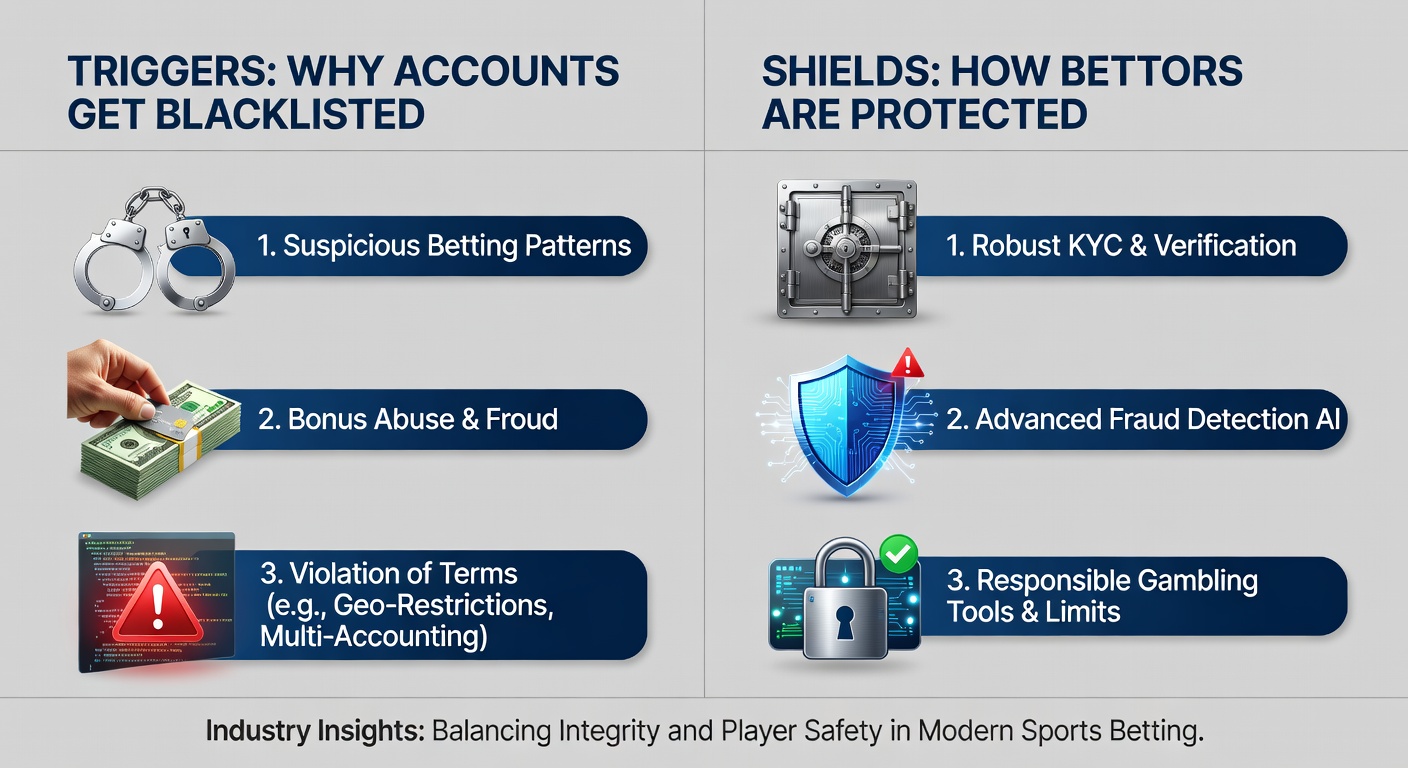
And then there's the collusion angle, rarer but devastating: groups coordinating bets to manipulate props or totals, as seen in a 2025 scandal involving college basketball where insiders faced federal probes; sportsbooks blacklist associates via shared wallet patterns or chat logs subpoenaed during investigations. Figures reveal these incidents spike during March Madness seasons, underscoring why vigilance remains constant.
Fraud and Security Breaches: Non-Betting Triggers
Beyond strategy, outright fraud like chargeback abuse—disputing valid wins post-payout—lands users on perpetual lists; banks report thousands of such reversals yearly in gaming, prompting sportsbooks to deny future access and share intel via networks like the Gaming Security & Intelligence Agency. Observers note how stolen identities fuel this, with underage or excluded players using proxies, detected through KYC failures like mismatched IDs.
Multi-jurisdictional issues compound matters: a bettor banned in Michigan for bonus abuse might migrate to Pennsylvania, but shared blacklist protocols under the Multi-State Internet Gaming Agreement flag them swiftly. In April 2026, as states like Illinois expand iGaming, enforcement tightened with real-time data swaps, reducing cross-border exploits by 25% per preliminary state audits. So while frustrating for the flagged, this interconnected web fortifies trust for compliant users everywhere.
Geofencing and Location Shenanigans
VPN circumvention ranks high too; bettors masking locations to chase state-specific bonuses trigger geo-blocks and bans, as mandates from bodies like the New Jersey Division of Gaming Enforcement require verified residency. One case exposed in 2024 involved a ring using residential proxies, resulting in million-dollar fines and widespread account terminations that cleaned up interstate bonus mills.
The Protective Side: How Blacklists Benefit Honest Bettors
Blacklisting doesn't just enforce rules; it shields the ecosystem by curbing predatory behaviors that could collapse platforms, thereby protecting deposits and payouts for the 95% of users unaffected. Data shows banned accounts correlate with higher fraud rates—up to 15 times average per operator disclosures—forcing honest bettors into riskier environments otherwise. Regulators endorse this, as stable books mean reliable contests, fair lines, and sustained promotions.
Consider player funds: segregated accounts hold billions, but abuse erodes reserves; blacklists preserve these by isolating threats early, a fact borne out in post-audit reviews from Australian states where similar systems cut insolvency risks. Those who've modeled market dynamics find that without such measures, casual odds would balloon 10-20% to offset losses, pricing out recreational play. It's noteworthy how this balances competition, letting sportsbooks offer props and live bets without fear of systematic drains.
Moreover—wait, scratch that—turns out transparency reports from operators like DraftKings detail blacklist impacts, showing reduced complaint volumes post-crackdowns on syndicates. In April 2026, amid surging mobile wagers during NFL drafts, this proved vital as cyber threats rose, with blacklists integrating AI to preempt hacks that once wiped user balances.
Case Studies from Recent Enforcement
One notable example unfolded in Ontario last year: a syndicate arbitraging hockey totals across five apps netted $2 million before detection; swift blacklisting and asset seizures returned funds to the pool, averting a 5% odds hike. Another, in Nevada during Super Bowl season, involved a sharp bettor whose models crushed NBA futures—banned after $500k in wins, but payouts cleared fully, preserving site liquidity for futures markets. These instances illustrate the dual role: accountability for abusers, stability for all.
Navigating Blacklists: What Bettors Need to Know
Users can avoid flags by sticking to single accounts, transparent strategies, and jurisdiction-compliant play; appeals processes exist, often succeeding if errors like IP glitches occur, with success rates around 20% per forum aggregates. Sportsbooks disclose criteria in terms—obscure but binding—urging reviews before high-volume action. And for those flagged, alternatives abound in unregulated shadows, but regulated lists offer safer harbors overall.
Regulators continue refining: upcoming 2026 guidelines from EU bodies emphasize proportional responses, limiting lifetime bans to severe fraud while allowing comebacks post-cool-offs. This evolution signals blacklists as tools for sustainability, not exclusion, fostering growth in a $150 billion global market.
Wrapping Up the Blacklist Reality
Blacklists trigger on clear violations like bonus abuse, arbitrage, and fraud, mechanisms that sportsbooks wield to safeguard operations; yet they shield bettors by ensuring fair play, secure funds, and viable odds persist amid rising volumes. As April 2026 unfolds with packed slates from NHL playoffs to Masters golf, these systems underscore the industry's maturity—balancing risk without stifling access. Observers agree: in a landscape where edges matter, blacklists keep the game honest for everyone involved.