Bettors' Funding Routes: Selecting Deposit Options in Sports Wagering
Written by Morgan Günther · Aug 16, 2026
Bettors' Funding Routes: Selecting Deposit Options in Sports Wagering
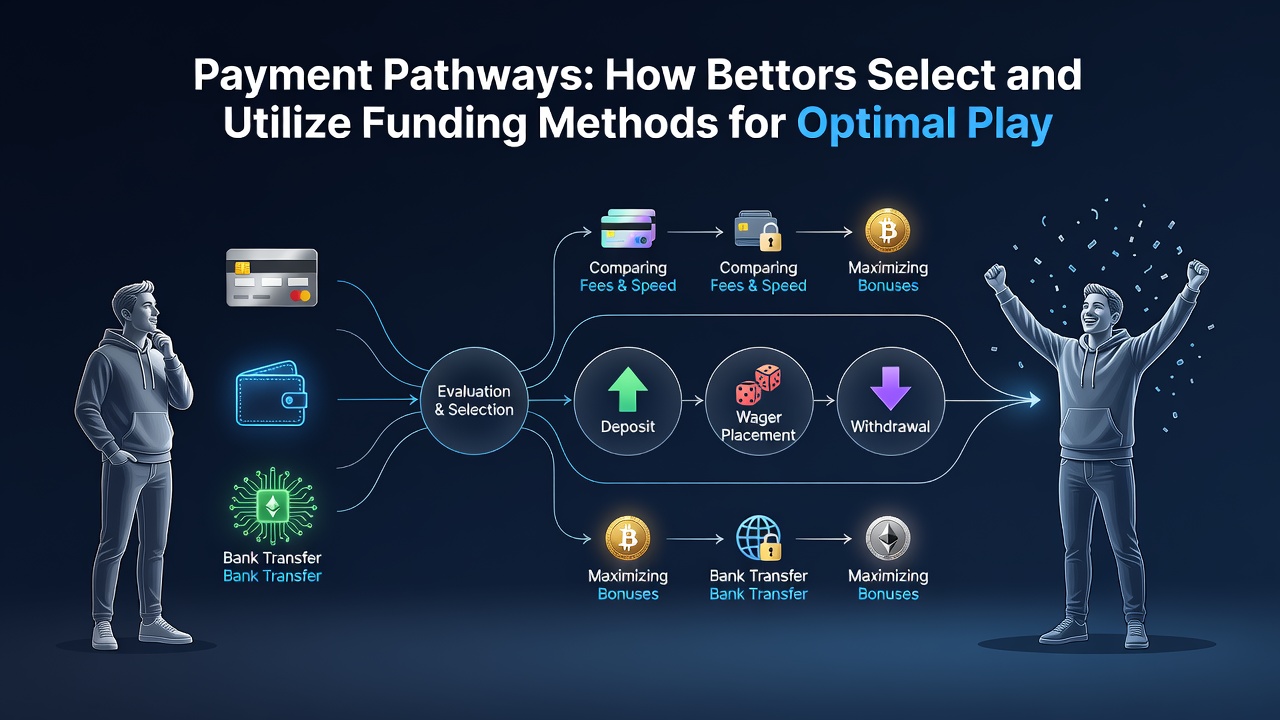
Payment pathways in betting involve multiple deposit and withdrawal channels that bettors evaluate based on speed, cost, and regional availability, while data from industry reports shows steady shifts toward digital options. Bettors examine transaction times, fee structures, and security features before committing funds, and these choices directly influence how quickly they can place wagers or access winnings. Research indicates that transaction speed ranks as a top priority across many markets, yet security protocols and bonus eligibility also shape decisions.
Common Funding Methods and Their Usage Patterns
Credit and debit cards remain widely accepted at licensed platforms, though processing times vary by issuer and jurisdiction, while e-wallets such as PayPal, Skrill, and Neteller offer faster transfers in supported regions. Bank transfers provide higher limits for larger deposits, yet they often require additional verification steps that extend settlement periods. Prepaid cards and vouchers serve users seeking to control spending caps, and cryptocurrency options like Bitcoin or Ethereum appear more frequently on platforms targeting international audiences.
According to figures from the American Gaming Association, card-based deposits account for a significant share of activity in regulated U.S. states, whereas e-wallet adoption grows in markets where traditional banking restrictions apply. Bettors weigh these options against platform-specific rules that may limit certain methods or tie them to promotional offers.
Factors Influencing Method Selection
Geographic location determines available choices, since regulatory frameworks in different countries restrict or promote specific providers, and bettors cross-reference licensing requirements with personal banking access. Transaction fees range from zero on select e-wallets to percentage-based charges on cards, while minimum and maximum limits affect how much users can move at once. Security measures, including two-factor authentication and encryption standards, factor into decisions, and withdrawal speed often mirrors deposit performance on the same channel.
Those who study user behavior note that repeat bettors frequently test multiple methods before settling on one or two that align with their typical stake sizes and frequency. Availability of instant deposits can determine whether a platform receives consistent use, particularly during peak sports seasons when timing matters for live betting opportunities.
Impact on Play and Account Management
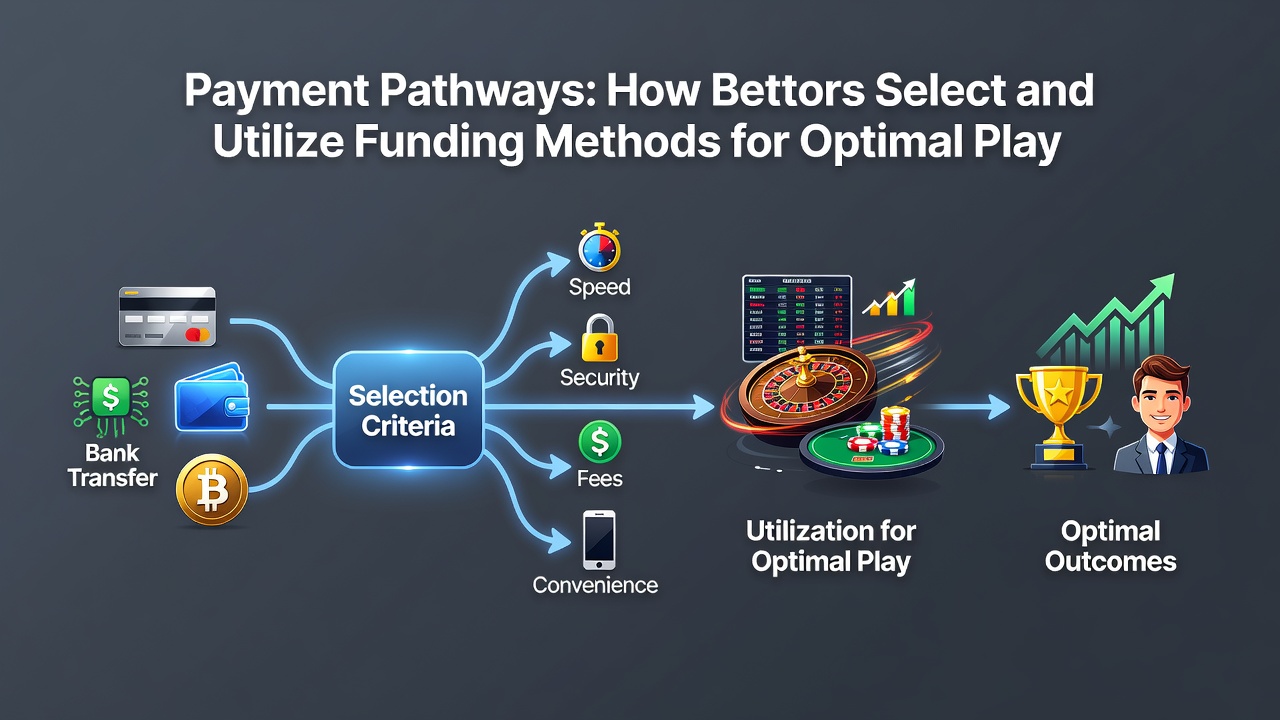
Deposit choices connect directly to bonus qualification, since many promotions require funding through designated channels, and withdrawal timelines influence overall cash flow for ongoing play. Platforms may apply different verification thresholds depending on the method, which can delay access to funds when documentation falls short. Bettors track these variables to maintain uninterrupted activity, especially when managing multiple accounts across operators.
Data from Gambling Research Australia reveals that users who prioritize low-fee options tend to maintain higher balances over time, while those focused on speed often favor e-wallets despite occasional service charges. In August 2026, updates to digital asset regulations in select jurisdictions are expected to expand crypto acceptance at licensed sites, potentially altering selection trends for bettors comfortable with blockchain transfers.
Regional Variations and Emerging Trends
European markets show higher penetration of instant banking solutions and open banking integrations, whereas North American platforms emphasize card and e-wallet compatibility tied to state-level rules. Australian operators frequently promote prepaid options that comply with local responsible gambling measures. Observers note that cross-border bettors adapt by maintaining accounts with multiple providers to bypass restrictions that arise when traveling or relocating.
Industry organizations such as the European Gaming and Betting Association track how payment innovations affect player retention, and their reports indicate that seamless funding experiences correlate with longer session durations. Bettors who encounter repeated declines on one method often switch providers rather than alter their overall wagering approach.
Conclusion
Payment pathways continue to evolve alongside regulatory changes and technological advances, giving bettors a range of tools to match their preferences for speed, cost, and security. Selection remains tied to location-specific rules and platform policies, while usage data shows consistent patterns across card, wallet, and digital currency channels. Those monitoring developments in August 2026 will likely see further integration of regulated crypto options that expand choices without altering core evaluation criteria.