Cash Flow Chronicles: How Bettors Optimize Deposits and Withdrawals at US-Friendly Sites
Written by Kai Hayes · Aug 7, 2026
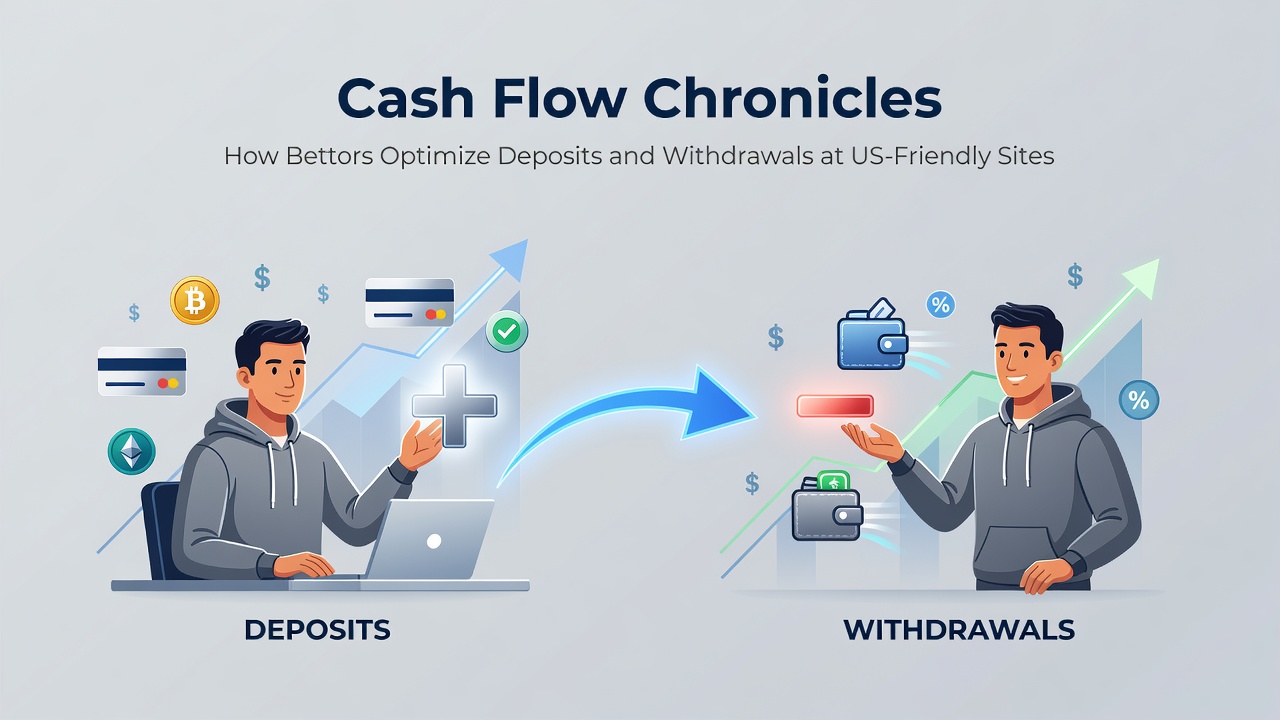
Cash Flow Chronicles: How Bettors Optimize Deposits and Withdrawals at US-Friendly Sites
Payment processing at US-friendly betting sites involves a range of methods that have evolved alongside state regulations, and those who track these patterns observe how bettors select options based on speed, fees, and availability. As of August 2026 multiple states maintain licensed platforms that accept credit cards, ACH transfers, wire services, and certain e-wallets, while processing times differ by provider and banking partner. Bettors frequently compare transaction costs because some methods carry flat fees while others apply percentage-based charges that accumulate over repeated deposits.
Common Deposit Methods and Their Characteristics
Credit and debit card transactions remain widely available at licensed operators in states such as New Jersey and Pennsylvania, where instant crediting occurs once the card issuer authorizes the charge. ACH bank transfers offer lower or zero fees in many cases yet require one to three business days for funds to clear, according to records maintained by the New Jersey Division of Gaming Enforcement. Wire transfers provide another route for larger amounts although they often involve higher costs and same-day or next-day settlement depending on the financial institutions involved. E-wallet services appear on several platforms and deliver near-instant deposits when linked accounts already hold sufficient balances.
Those who monitor transaction data note that prepaid card options exist at some sites and allow users to load funds without exposing banking details. Limits vary by method and by individual account verification status, with new users typically facing lower daily caps until identity documents receive approval. Research from industry reports shows that verification steps, including upload of government-issued identification and proof of address, reduce delays once completed and enable higher transaction thresholds.
Strategies Bettors Apply to Deposits
Many participants spread deposits across multiple approved methods to stay within daily or weekly limits while minimizing exposure to any single fee structure. Some schedule ACH transfers on days when bank processing aligns with bonus release windows, allowing funds to become available for wagering requirements without additional transfers. Observers report that bettors also monitor exchange rates when using international e-wallets, although most US-friendly platforms restrict activity to domestic banking rails. Loyalty programs at certain operators award cashback or bonus credits on deposits above specified thresholds, and regular users factor these rewards into their overall cash-flow planning.
Withdrawal Processing and Optimization Techniques
Withdrawal requests follow similar verification standards as deposits, yet payout speeds depend heavily on the chosen method. E-wallet withdrawals often complete within 24 hours after approval, while ACH transfers may take two to five business days once the operator processes the request. Bettors who anticipate larger withdrawals sometimes shift funds into e-wallets ahead of time to shorten the final payout window. Data compiled by state regulators indicates that operators must maintain segregated player funds, and this requirement contributes to consistent processing once documentation clears review.
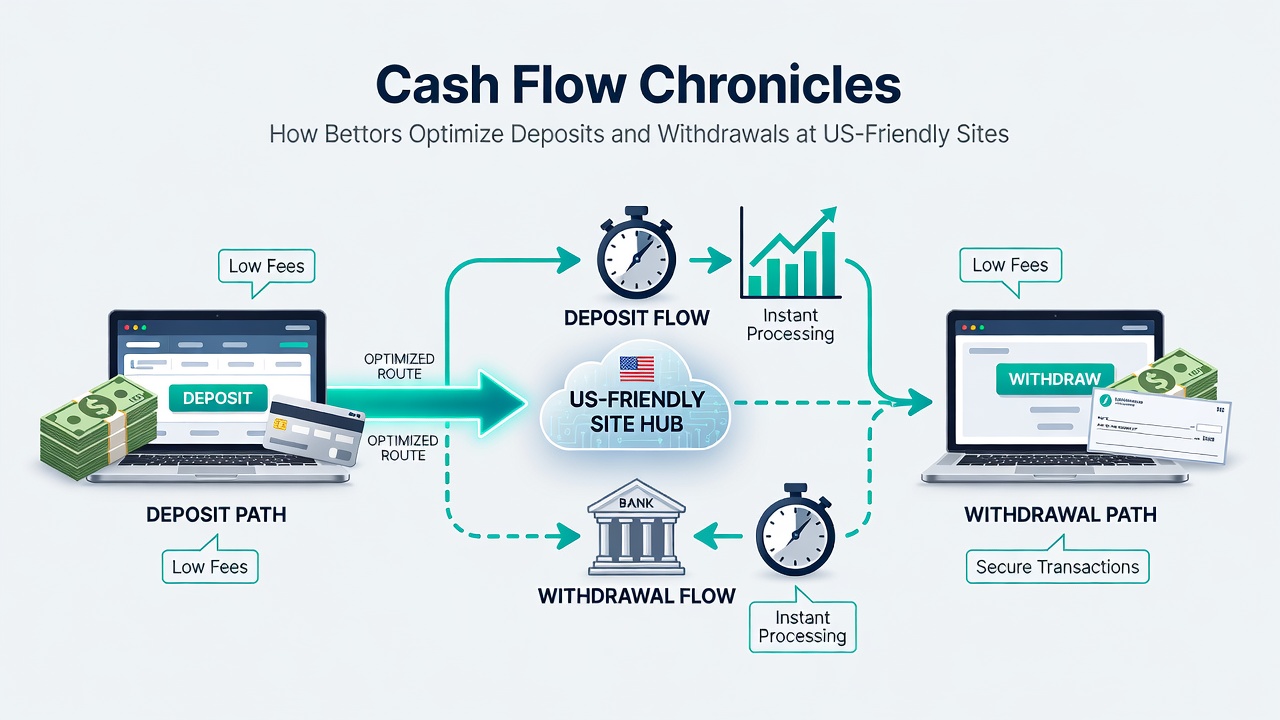
Those who study payout statistics find that wire transfers serve high-volume users who accept higher fees in exchange for larger single-transaction capacity. Platform terms frequently list minimum withdrawal amounts that differ by method, and bettors adjust request sizes accordingly to avoid multiple smaller fees. Some operators offer free withdrawals after a set number of transactions per month, and users plan their cash-flow timing around those thresholds.
Regulatory Context and Platform Requirements
State gaming authorities require licensed sites to disclose all fees and processing times in their terms, which creates transparency that bettors reference when comparing options. Reports from the American Gaming Association indicate that transaction security standards have tightened across jurisdictions, with encryption and multi-factor authentication now standard at most platforms. Bettors who operate across multiple states must track differing rules because an ACH transfer approved in one jurisdiction may face additional verification in another. As regulations continue to update, operators adjust supported methods and timelines, prompting users to review current policies before initiating larger movements of funds.
Payment providers also impose their own rules that interact with site policies, and coordination between the two layers determines the final experience. Those who maintain records of past transactions often identify patterns such as faster approvals during non-peak hours or after recent verification updates. Industry analyses reveal that repeat users who keep documentation current encounter fewer interruptions during both deposit and withdrawal phases.
Conclusion
Transaction optimization at US-friendly sites centers on matching payment methods to individual timelines, fee tolerances, and verification status. Bettors who review state regulatory disclosures and platform terms gain clearer expectations for processing windows and associated costs. Continued expansion of licensed markets through August 2026 and beyond will likely introduce additional method options and refined timelines as operators and regulators refine existing frameworks.