Charting Dependable Financial Pathways for Bettors Exploring Credit Alternatives
Written by Kai Hayes · Jun 10, 2026
Charting Dependable Financial Pathways for Bettors Exploring Credit Alternatives
Transaction pathways beyond standard credit cards have expanded significantly as bettors seek methods that offer speed, lower fees, and broader accessibility across regulated markets. Financial institutions and payment processors have adapted their services to meet demands from online wagering platforms, while regulatory frameworks in multiple regions continue to shape which options remain viable. Observers note that these shifts accelerated through the mid-2020s, with particular momentum visible by June 2026 as new digital infrastructure rolled out in several jurisdictions.
Core Categories of Alternative Pathways
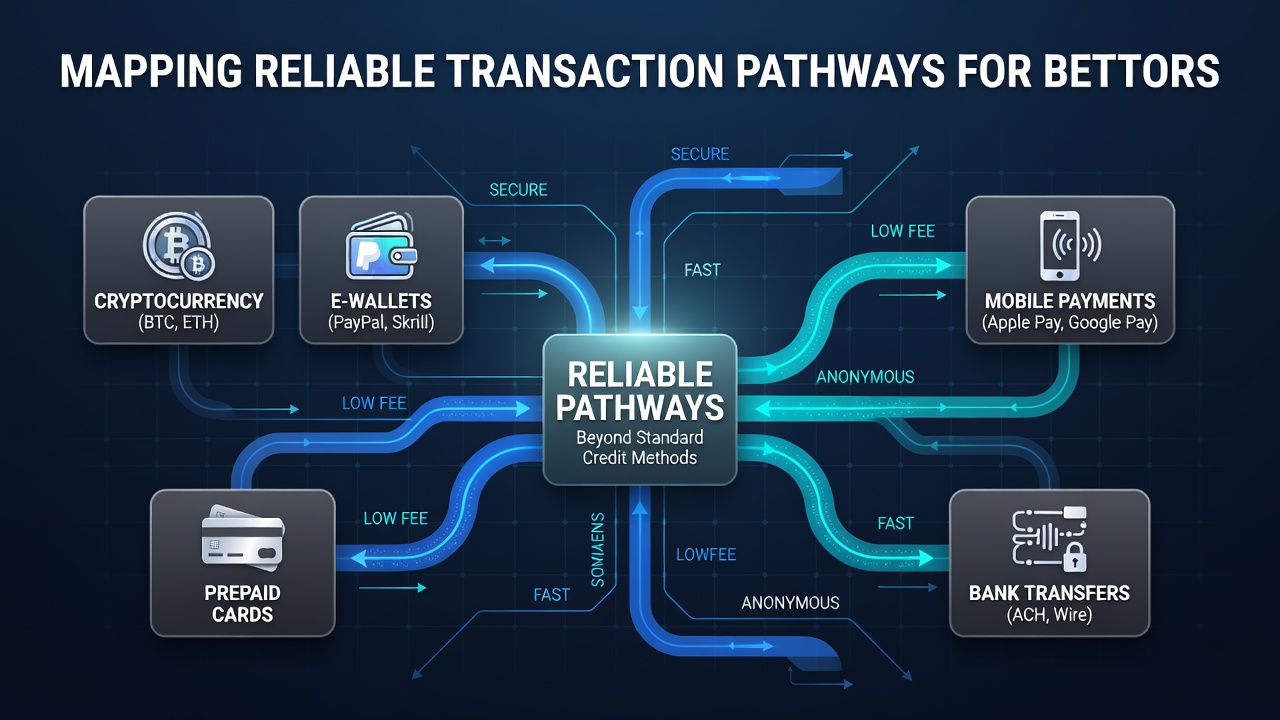
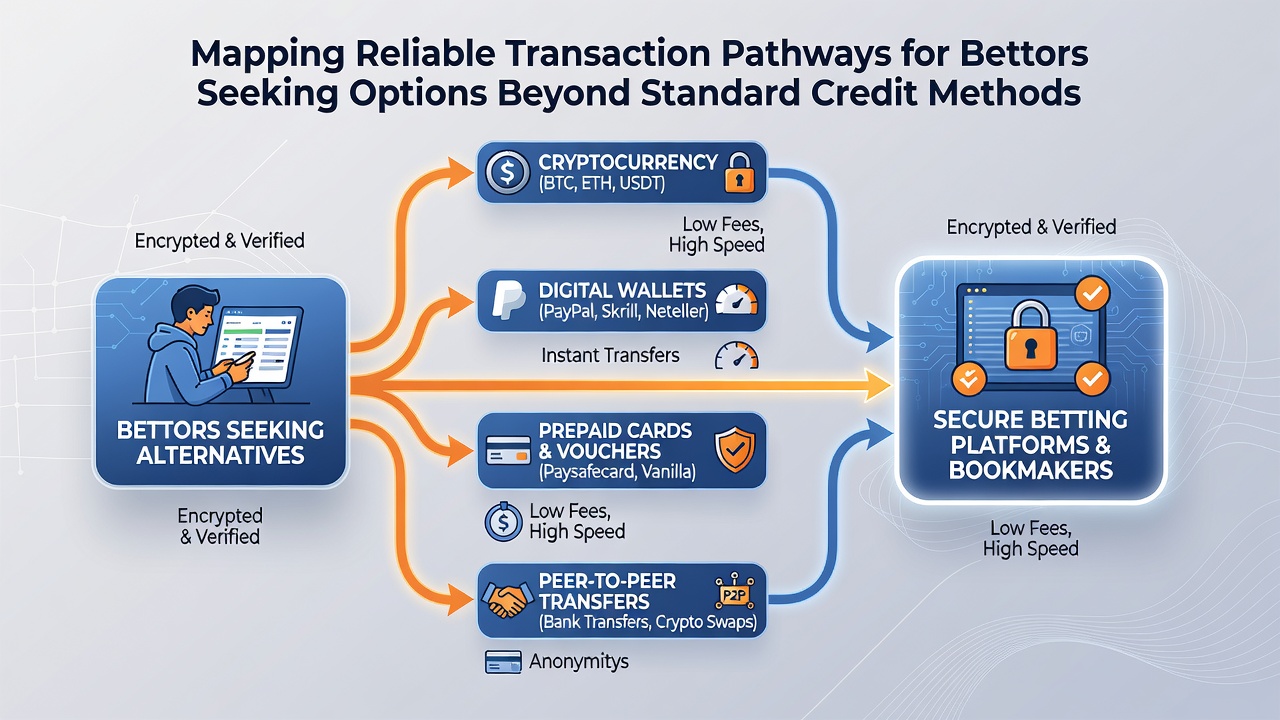
E-wallets represent one established route that processes deposits and withdrawals through intermediary accounts linked to bank details rather than direct credit card charges. Services such as Skrill and Neteller maintain dedicated betting integrations that allow instant transfers once accounts are funded through separate means like bank wires or prepaid vouchers. Data from industry reports shows these platforms handle a substantial share of international wagering volume because they bypass some credit card restrictions that operators encounter in certain countries.
Bank transfers and ACH systems provide another direct channel where funds move between verified accounts without involving credit lines at all. Bettors initiate these transactions through their personal banking portals, and many platforms now accept instant bank verification tools that confirm identity in seconds rather than days. According to figures from the European Gaming and Betting Association, direct bank connections have grown steadily as operators prioritize methods with built-in fraud protections and clear audit trails.
Digital Currencies and Emerging Options
Cryptocurrency pathways have gained traction in markets where traditional processors face limitations, allowing transfers via blockchain networks that operate independently of credit systems. Bitcoin and select stablecoins serve as the primary vehicles here, with operators often converting incoming crypto to local currency upon receipt to manage volatility. Research from academic centers tracking digital finance indicates that transaction speeds for these methods improved markedly after 2024 upgrades to major networks, making them competitive with e-wallet options for time-sensitive wagers.
Prepaid cards and voucher systems offer yet another layer for those who prefer to load funds in advance without linking any banking credentials. Retail outlets and online vendors sell these instruments in fixed denominations, and bettors redeem codes or card numbers directly on supported sites. This approach proves especially useful in regions where banking regulations limit cross-border credit activity, though limits on maximum load amounts can constrain larger transactions.
Security and Verification Standards
Operators apply layered verification protocols across these pathways to comply with anti-money laundering requirements that vary by jurisdiction. Bettors typically submit identification documents once, after which subsequent transactions route through the chosen method without repeated checks unless activity thresholds are exceeded. Government agencies in Canada and Australia have published guidelines that emphasize real-time monitoring tools, and many platforms now integrate these standards into their onboarding flows by June 2026.
Two-factor authentication and device binding further secure these routes against unauthorized access. Payment processors embed these controls at the account level, while operators add session-based checks during deposit and withdrawal stages. Figures reveal that platforms adopting such combined measures experience fewer disputed transactions compared with those relying solely on basic password systems.
Regional Variations in Availability
Availability of specific pathways differs sharply across borders because local rules govern which processors can partner with licensed operators. In parts of Europe, direct bank transfers dominate due to open banking mandates that facilitate instant verification. North American markets show stronger adoption of e-wallets and certain crypto options where state regulations permit them, while Asian jurisdictions often favor voucher adn prepaid systems for their cash-based compatibility.
Cross-border bettors frequently map multiple pathways in advance because one method may become restricted without notice following policy updates. Those who maintain accounts across several services gain flexibility when primary options encounter temporary holds or fee increases. Industry organizations tracking these patterns report that diversified users complete a higher percentage of successful transactions over time.
Fee Structures and Processing Times
Each pathway carries distinct cost profiles that influence long-term usage. E-wallets typically charge percentage-based fees on withdrawals but offer free or low-cost deposits for verified users. Bank transfers avoid percentage fees yet may incur flat charges from sending institutions, while cryptocurrency networks impose network fees that fluctuate with congestion levels. Bettors compare these structures against expected transaction volume to select the most efficient route for their activity patterns.
Processing times range from near-instant for e-wallets and crypto to one to three business days for traditional bank methods. Platforms that support instant withdrawal approvals for verified accounts reduce these windows further, though final receipt still depends on the destination processor. Observers note that operators publishing clear timelines for each method help users plan cash flow around betting cycles more effectively.
Conclusion
Mapping reliable transaction pathways requires understanding the interplay between available methods, regional rules, and individual usage needs. Bettors who evaluate fee structures, verification demands, and processing speeds across options position themselves to maintain consistent access as markets evolve. Continued development of digital infrastructure through 2026 and beyond will likely introduce additional channels while refining existing ones for greater efficiency and compliance.