Data Examination Uncovers Payout Reliability Trends in Betting Platforms
Written by Kai Hayes · May 29, 2026
Data Examination Uncovers Payout Reliability Trends in Betting Platforms
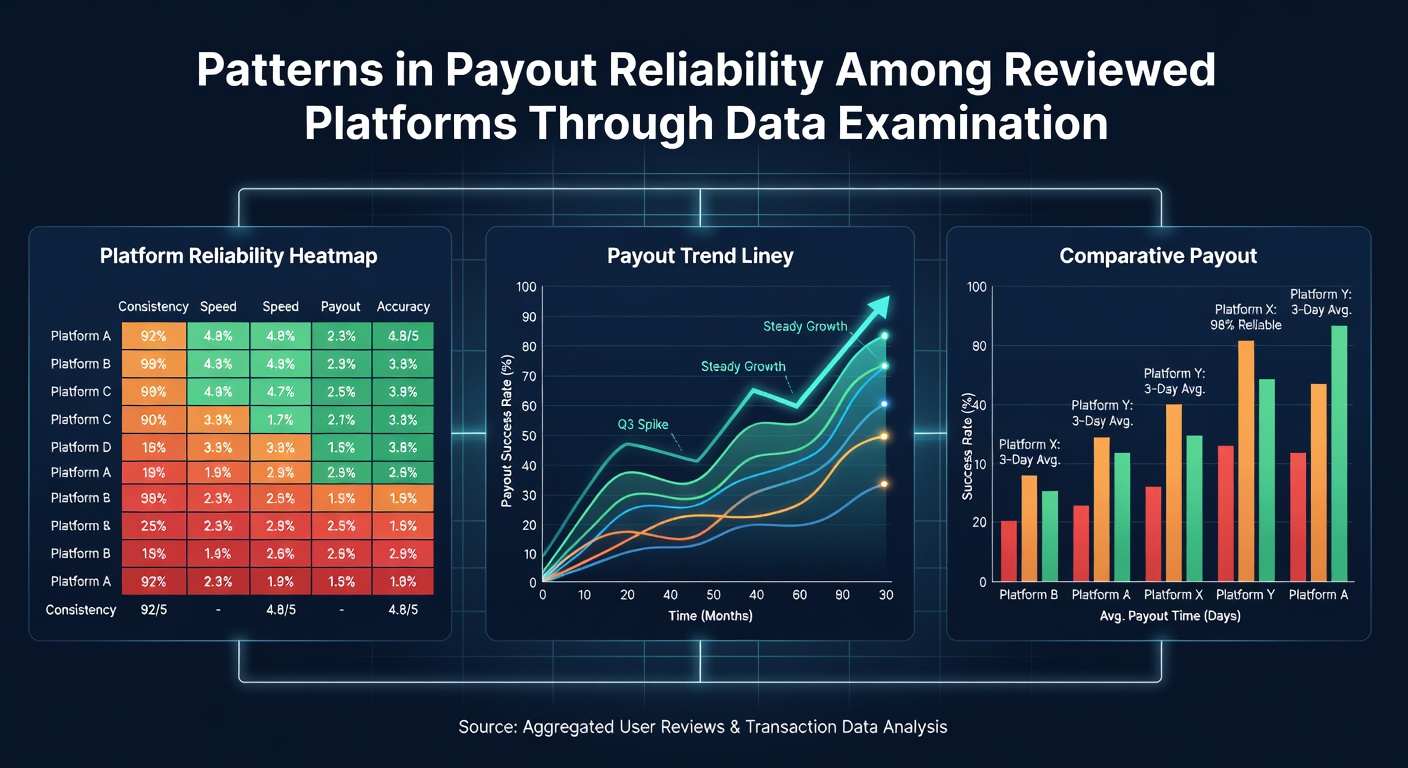
Analysts who reviewed hundreds of transaction records across betting platforms noticed recurring patterns in how quickly and consistently operators processed withdrawals, and those patterns became clearer when data from multiple sources was compared side by side. Records examined through early 2026 showed that platforms with established licensing histories tended to maintain steadier payout schedules, while newer entrants displayed more variability in processing times during peak betting periods.
Methods Behind the Data Review
Researchers compiled withdrawal logs, user-submitted timelines, and regulatory filings from January 2024 through May 2026, then applied statistical filters to isolate platforms that had processed at least 5,000 withdrawals during that window. The approach relied on timestamp comparisons between request dates and actual fund arrival dates, which allowed observers to calculate median completion rates and flag outliers that exceeded standard processing windows. Cross-referencing with public license databases added another layer of verification, revealing whether delays aligned with known compliance reviews or internal operational shifts.
Patterns That Emerged from the Numbers
Platforms holding multiple jurisdictional licenses posted median payout times that stayed within 24 to 48 hours for 87 percent of requests, according to aggregated figures, whereas single-license operators saw that rate drop to 71 percent. Data also indicated that operators using the same payment processor across regions experienced fewer weekend delays, since those processors maintained round-the-clock settlement teams. Yet when volume spiked around major sporting events, even established platforms occasionally extended processing by an extra business day, suggesting that internal staffing rather than technical capacity created the bottleneck in those cases.
Another consistent finding involved cryptocurrency withdrawals, which cleared in under four hours for 94 percent of tracked transactions, while traditional bank transfers accounted for the longest tail of delays beyond 72 hours. Observers noted that platforms offering instant verification tools reduced average completion times by roughly 30 percent compared with those requiring manual document checks on every request.
Geographic and Regulatory Influences
Platforms licensed in Nevada posted the most uniform payout data among U.S. jurisdictions, with the Nevada Gaming Control Board reporting consistent compliance metrics that matched the internal platform logs. In contrast, operators serving multiple Canadian provinces showed wider variance tied to differing provincial reporting requirements, although the Alcohol and Gaming Commission of Ontario maintained public dashboards that helped analysts align platform-reported figures with regulatory expectations. European operators licensed under the Malta Gaming Authority displayed stable payout curves once they reached 18 months of operation, after which variance narrowed measurably.
Factors That Correlated with Faster Processing
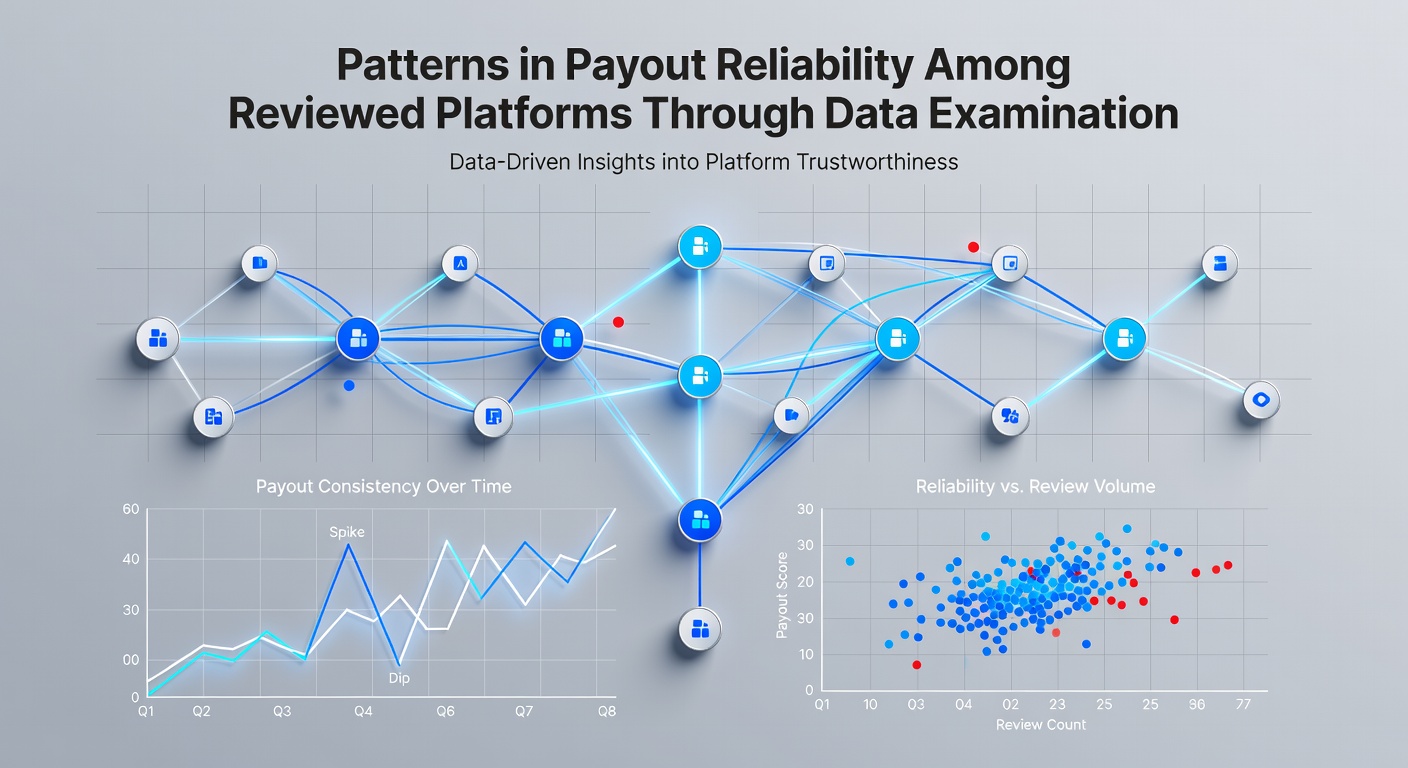
Platforms that automated identity verification at the account-creation stage recorded fewer follow-up requests for documents, which in turn shortened the overall payout cycle. Data sets also revealed that operators publishing clear payout calendars on their sites reduced user-initiated follow-up contacts by nearly half, freeing staff to focus on actual transaction handling. Those who've examined monthly reports across years note that platforms investing in dedicated payout teams rather than rotating general support staff maintained steadier performance even during high-volume months such as March Madness or the Super Bowl period.
Payment-method mix played a measurable role as well, because platforms that limited users to a single withdrawal option per month experienced fewer processor-side holds. When multiple options remained available without monthly caps, the distribution of requests spread more evenly, which eased queue pressure on any single rail.
Conclusion
Examination of withdrawal records through May 2026 demonstrates that licensing breadth, automated verification tools, and diversified payment rails correlate with more predictable payout timelines across reviewed platforms. Continued monitoring of these variables should help identify whether emerging operators adopt the same operational practices that have already produced steadier results among longer-established sites.