Decoding Funding Failures: Deposit Methods That Often Lead to Sportsbook Blacklisting
Written by Riley Koch · Aug 21, 2026
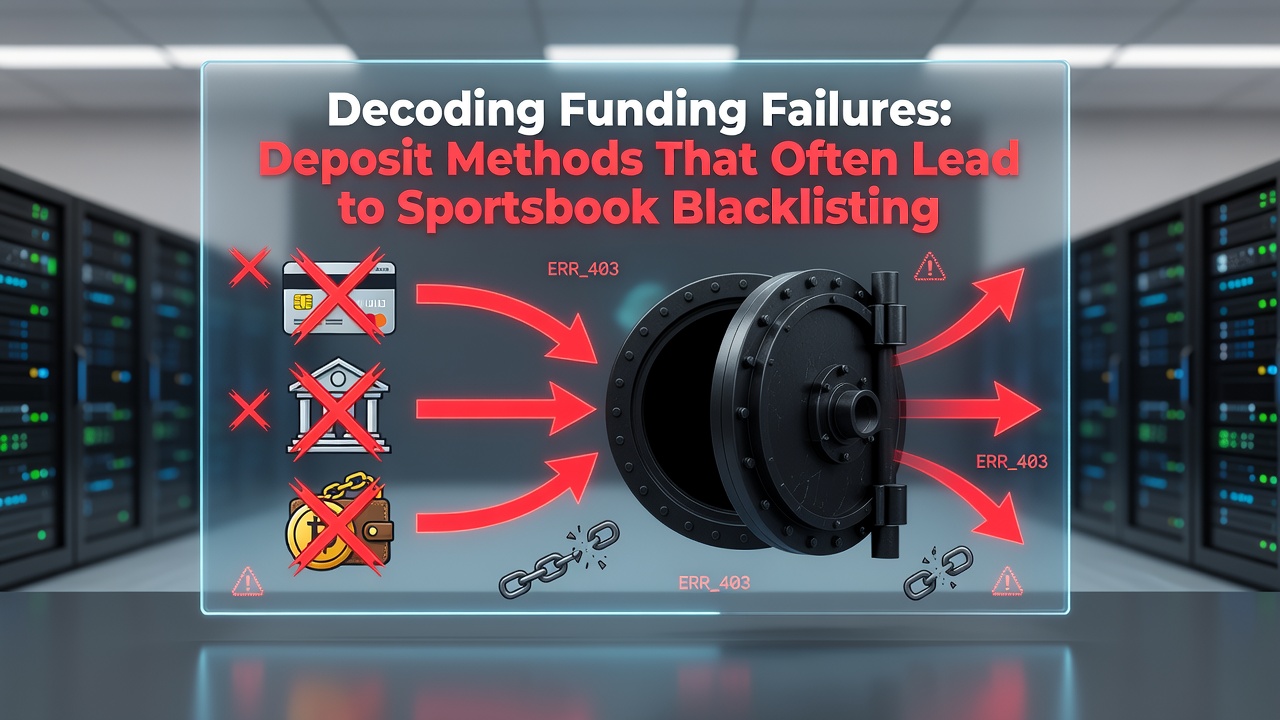
Decoding Funding Failures: Deposit Methods That Often Lead to Sportsbook Blacklisting
Payment processing issues have long shaped how sportsbooks manage accounts, and certain deposit methods create patterns that trigger reviews and eventual restrictions. Observers note that methods prone to reversals or verification gaps often draw scrutiny because they complicate risk management for operators handling large transaction volumes.
Payment Types That Raise Red Flags
Prepaid cards and certain e-wallets top the list of methods linked to account flags, according to industry reports from multiple jurisdictions. These options frequently lack direct ties to a verified bank account, which makes tracing funds harder and increases the chance of disputes later on. Data from regulatory filings shows that chargeback rates climb when users rely on virtual cards or gift-card style deposits that bypass standard authentication steps.
ACH transfers from personal banks sometimes backfire too, especially when insufficient funds trigger returns after the sportsbook has already credited the balance. Researchers at academic institutions studying online gambling behavior have documented how repeated failed ACH attempts correlate with higher rates of account suspension across North American platforms. Those patterns emerge because operators prioritize stable funding sources that reduce exposure to bounced payments.
How Blacklisting Patterns Develop
Sportsbooks monitor transaction histories for clusters of reversals, mismatched names, or rapid deposit-withdrawal cycles that suggest testing rather than genuine play. One documented case involved users who cycled funds through multiple prepaid providers only to encounter blocks once the volume exceeded internal thresholds. The process unfolds gradually, with initial warnings followed by holds if the same method repeats without resolution.
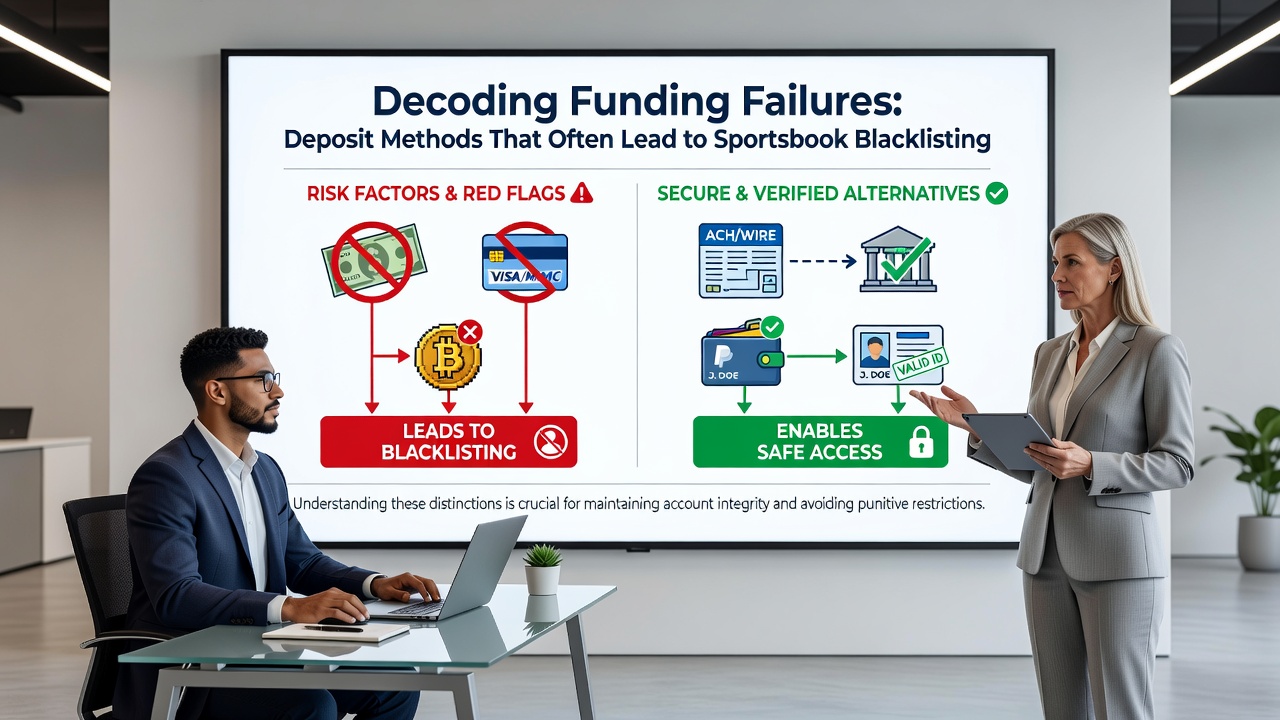
Figures from the Nevada Gaming Control Board reveal that disputes involving certain digital wallets accounted for a measurable share of enforcement actions in recent periods. Operators respond by blacklisting accounts tied to those methods to limit future liability. What's notable is how the same wallet provider might work fine for one user yet flag another based on overall activity and verification status.
Regional Regulatory Influences
Agencies in different markets set distinct expectations around payment transparency. The Malta Gaming Authority, for instance, requires operators to maintain audit trails that prepaid and cryptocurrency-adjacent methods sometimes struggle to satisfy. When those trails break down, accounts linked to the transactions face review and potential removal from the platform.
In Canada, provincial frameworks emphasize source-of-funds checks that favor direct bank connections over intermediary services. Research compiled by university teams tracking iGaming trends indicates that users attempting to circumvent these checks through alternative deposits encounter blocks more often than those using conventional routes. The emphasis remains on verifiable ownership rather than speed or anonymity.
Steps That Reduce Account Risks
Verification processes play a central role in avoiding flags. Accounts that complete full KYC early and stick with methods tied to the same identity show lower suspension rates in aggregated platform data. Operators also favor deposits that clear immediately and stay settled, since delayed or returned transactions create administrative overhead that prompts closer examination.
Industry groups such as the European Gaming and Betting Association have published guidance on payment best practices that stress consistency between deposit and withdrawal channels. When users switch methods midstream without updating records, the mismatch itself becomes a trigger for review. Observers note that maintaining one primary funding source across sessions aligns better with how most platforms structure their monitoring systems.
Conclusion
Deposit method selection directly influences long-term account stability at sportsbooks because operators apply data-driven filters to limit exposure. Patterns tied to reversals, verification gaps, adn mismatched channels lead to restrictions across multiple markets. Those who align their funding choices with platform expectations encounter fewer interruptions, while repeated issues with high-risk options produce predictable outcomes documented in regulatory records and operational reports.