Decoding Transaction Pathways: How Funding Choices Shape Outcomes in Regulated Wagering Markets
Written by Yves Hughes · May 20, 2026
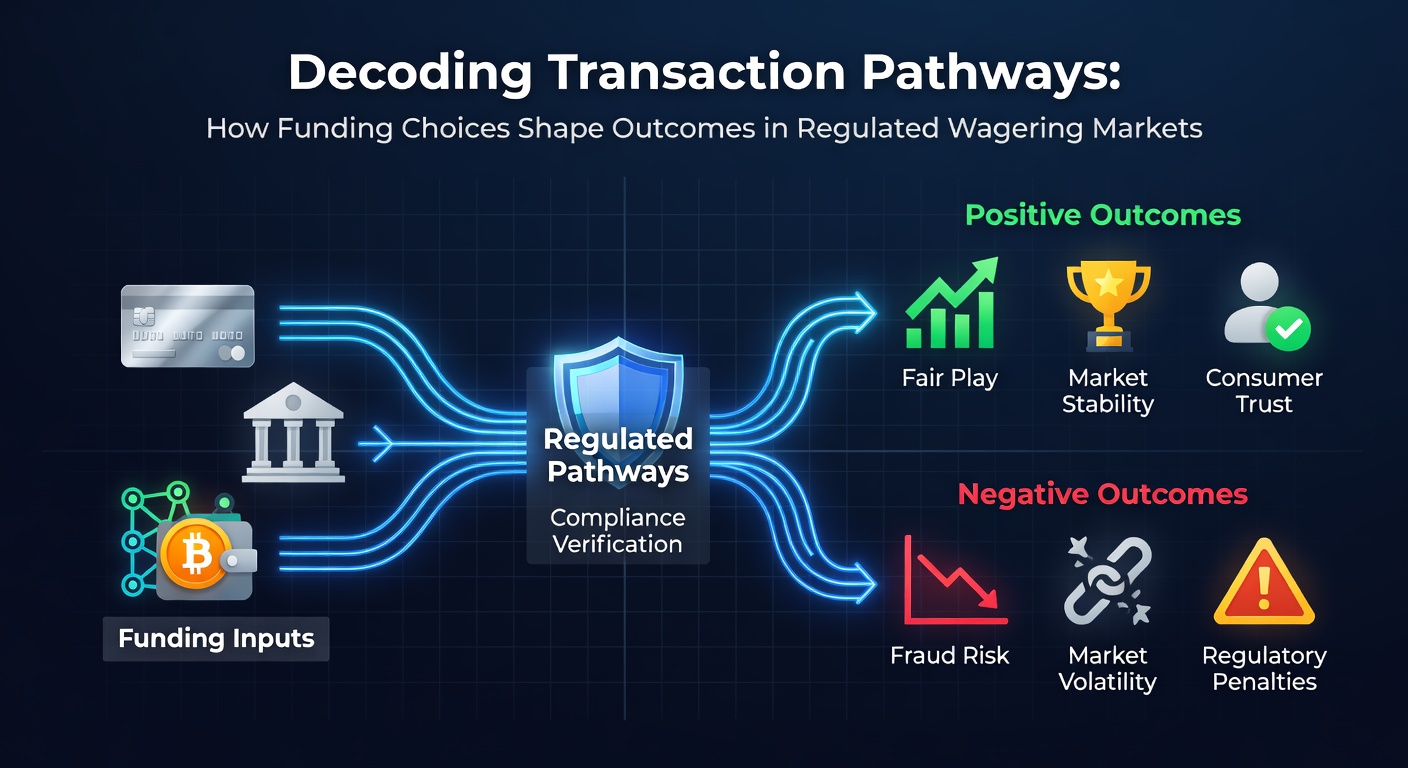
Decoding Transaction Pathways: How Funding Choices Shape Outcomes in Regulated Wagering Markets
Regulated wagering markets rely on intricate transaction pathways that connect player deposits and withdrawals to licensed operators, adn funding choices determine how efficiently those pathways function across different jurisdictions. Observers note that payment methods such as bank transfers, digital wallets, prepaid cards, and cryptocurrency options each follow distinct approval routes governed by licensing requirements, anti-money laundering protocols, and consumer protection rules. Data from multiple regulatory bodies shows these choices influence processing times, fee structures, and overall market participation rates in measurable ways.
Core Components of Transaction Pathways
Every regulated wagering transaction moves through verification layers that include identity checks, source-of-funds validation, and real-time compliance screening before funds reach an operator account. Bank transfers typically route through traditional financial institutions that impose multi-day settlement periods, whereas digital wallets compress the same steps into minutes through pre-verified user profiles. Researchers at institutions tracking global gaming finance have documented how these speed differences alter daily betting volumes, with faster pathways correlating to higher session frequencies in markets where same-day access is permitted.
Fee allocation along the pathway also varies by method. Credit card transactions often carry merchant fees passed partially to players, while certain e-wallet services absorb costs through subscription models or promotional partnerships. Figures released by state-level oversight agencies indicate that operators in tightly regulated environments adjust bonus structures and minimum deposit thresholds based on the average cost of each funding route, creating visible differences in promotional offers across payment categories.
Regulatory Frameworks Guiding Funding Decisions
Authorities in various regions impose specific rules on acceptable funding sources to maintain market integrity. The New Jersey Division of Gaming Enforcement requires operators to maintain segregated accounts and perform enhanced due diligence on high-velocity transactions, which directly affects which payment processors receive approval for integration. Similar standards appear in other jurisdictions where regulators evaluate processor partnerships for fraud prevention capabilities and financial stability before granting operational clearance.
Turns out that geographic variation produces distinct pathway profiles. Canadian provincial regulators emphasize interoperability between provincial systems and licensed platforms, while Australian state commissions focus on mandatory cooling-off periods tied to certain deposit methods. These policy differences shape which funding options dominate in each market and how quickly new methods gain traction after legislative updates scheduled for implementation phases beginning in May 2026.
Player Behavior Patterns Linked to Funding Methods
Studies examining transaction data reveal that players who select instant funding options tend to initiate more frequent but smaller wagers compared with those using slower bank channels. This pattern emerges consistently in reports compiled by independent research organizations monitoring responsible gaming metrics. Faster pathways reduce friction between decision and action, which operators and regulators both track through aggregated session analytics to assess potential impacts on play duration and expenditure distribution.
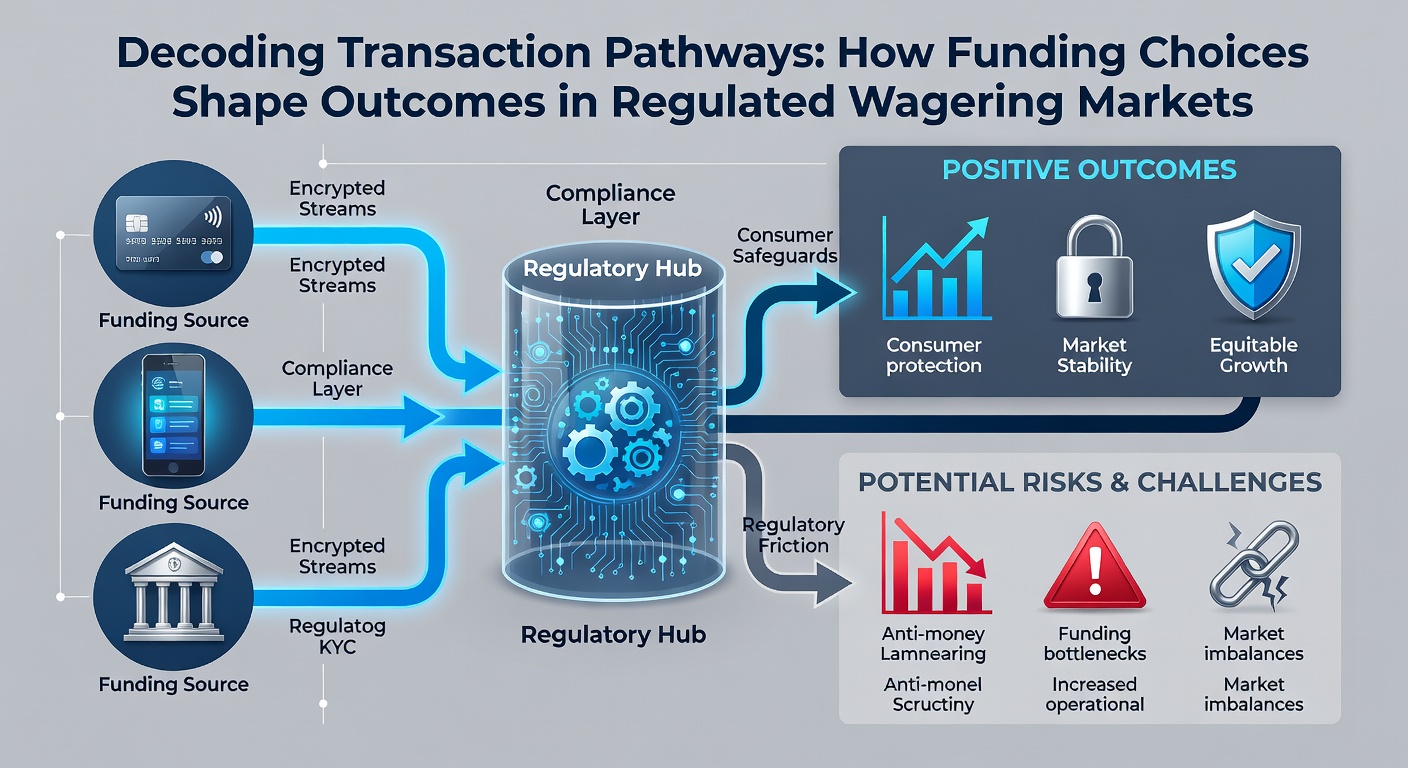
Withdrawal preferences follow a separate logic. Many participants route winnings back through the original deposit method to satisfy know-your-customer reconciliation requirements, yet others switch to alternative channels when speed or privacy considerations arise. Industry reports from gaming associations note that such switching behavior prompts operators to maintain multiple processor relationships, increasing operational complexity but also expanding the range of available pathways for users.
Market-Level Consequences of Funding Choices
Broader market outcomes reflect the cumulative effect of individual pathway selections. Markets with diverse, low-friction funding options often record elevated participation rates among younger demographics who favor digital-native methods. Conversely, jurisdictions that restrict certain high-speed options for consumer protection reasons show steadier but slower growth in overall handle, according to longitudinal data compiled by academic centers focused on gambling economics.
What's interesting is how these dynamics interact with emerging technologies. Blockchain-based settlement systems are undergoing pilot evaluations in select licensed environments, promising reduced intermediary steps while raising new questions about traceability standards. Regulatory bodies continue to refine approval criteria for such innovations, balancing innovation incentives against established consumer safeguards that have evolved over the past decade of market expansion.
Conclusion
Transaction pathways in regulated wagering markets function as interconnected systems where each funding choice triggers specific compliance, cost, and behavioral responses. Evidence compiled across multiple regulatory regions demonstrates that these choices collectively determine processing efficiency, market accessibility, and the pace at which new participants enter licensed environments. As technological options expand and oversight frameworks adapt through 2026 and beyond, the relationship between funding methods and market outcomes will continue to evolve through documented regulatory adjustments and observable shifts in player transaction patterns.