Financial Pathways in Wagering: Connecting Funding Options with Payout Efficiency for Domestic Users
Written by Riley Koch · Sep 8, 2026
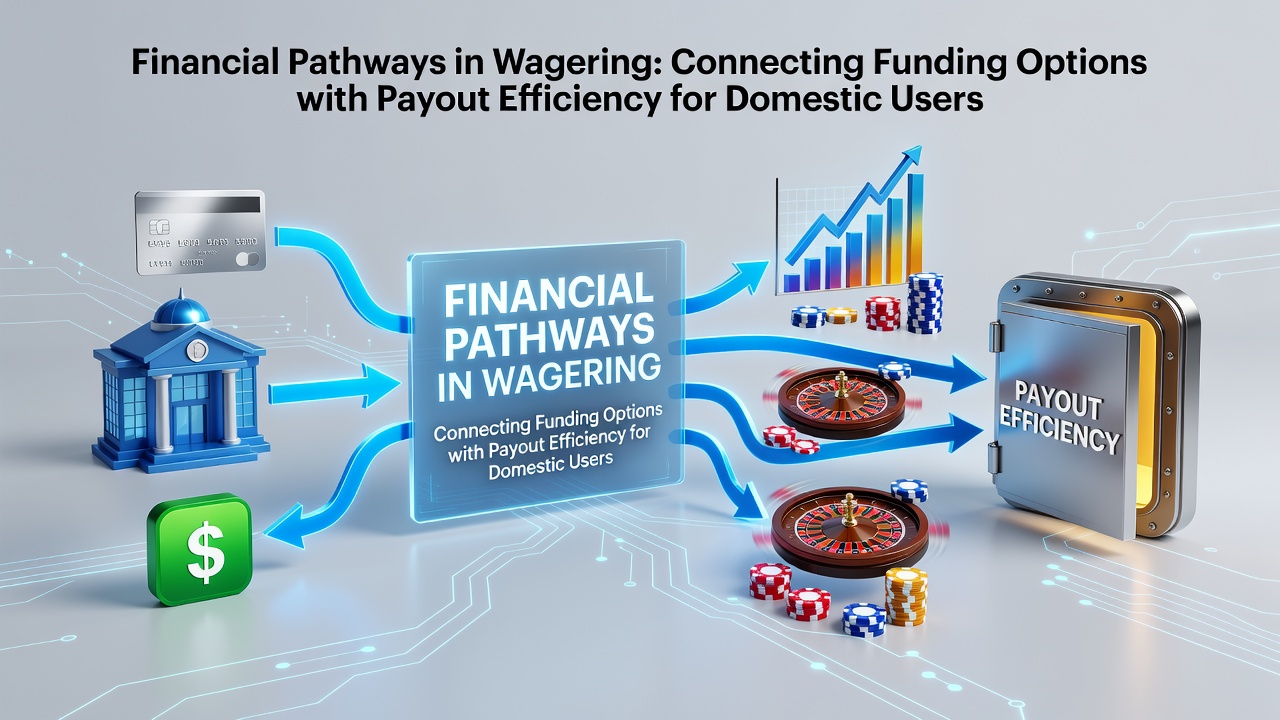
Financial Pathways in Wagering: Connecting Funding Options with Payout Efficiency for Domestic Users
Domestic users navigate an array of financial pathways when engaging with wagering platforms, and these routes link deposit mechanisms directly to withdrawal timelines in ways that shape overall user experience. Credit card transactions remain a primary option for many, yet processing speeds vary based on issuer policies and platform partnerships, while bank transfers often provide higher limits at the cost of extended verification periods. E-wallets such as PayPal and Venmo integrate seamlessly for quick funding, and they frequently pair with faster payout cycles because the same networks handle both inflows and outflows.
Common Funding Mechanisms for Domestic Accounts
Users in the United States rely on several established deposit methods that connect to regulated wagering operators, and each carries distinct requirements around verification and transaction fees. ACH transfers from personal bank accounts deliver reliability for larger sums, although they typically require one to three business days for settlement before funds appear in a wagering balance. Debit card options accelerate access for smaller amounts, and operators often cap these at daily thresholds to align with risk management protocols. Cryptocurrency deposits have gained traction since blockchain networks enable near-instant confirmations, yet volatility in coin values introduces additional layers that users must monitor during conversion steps.
Prepaid cards and voucher systems offer alternatives for those who prefer to keep banking details separate from wagering activity, and these methods frequently support immediate funding once the voucher code is entered. Observers note that regional banking regulations influence availability, so users in states with active wagering frameworks encounter different combinations than those in jurisdictions still developing oversight structures.
Evaluating Payout Efficiency Across Methods
Payout efficiency hinges on the alignment between withdrawal method and platform processing protocols, and data from industry reports shows that e-wallet withdrawals often clear within 24 to 48 hours once approved. Bank wire transfers, by contrast, can extend to three to five business days because intermediary banks perform additional compliance checks, while cryptocurrency withdrawals mirror deposit speeds but still depend on network congestion levels. Domestic users frequently compare fee structures, since some platforms absorb costs for certain methods whereas others pass them along, and these differences accumulate over multiple transactions.
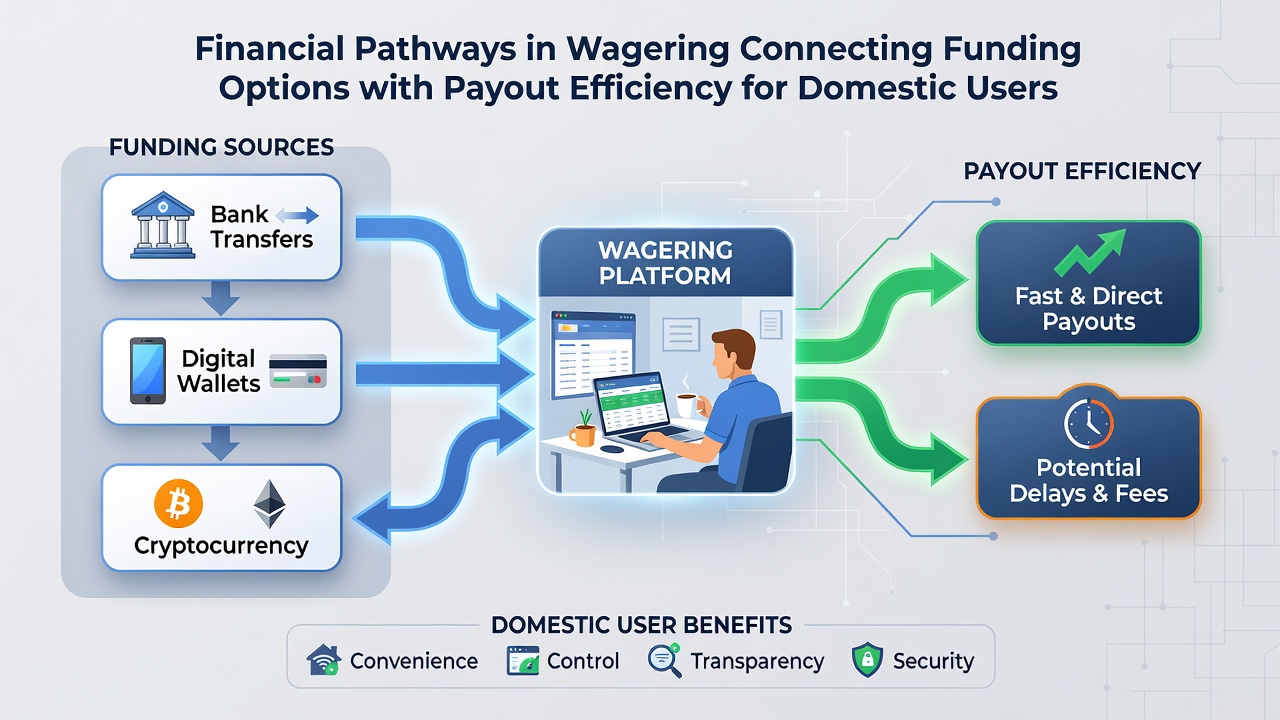
Verification requirements play a central role in determining how quickly funds move outward, and operators request identity documents such as government-issued IDs and proof of address before releasing larger sums. Research indicates that accounts with completed KYC processes experience fewer delays during payout requests, whereas incomplete profiles trigger additional review cycles that extend timelines. Those who maintain consistent funding patterns across the same method often see streamlined approvals because the platform recognizes established transaction histories.
Regulatory Influences on Financial Flows
State-level regulations shape which funding and payout options operators can offer, and these rules create patchwork availability across the country. The National Council on Problem Gambling tracks how responsible gaming measures intersect with payment processing, including limits on deposit amounts that protect users from excessive activity. In September 2026, several states plan to update their wagering statutes, and these revisions may introduce new requirements for real-time transaction monitoring that affect both deposit and withdrawal efficiency.
International comparisons provide context, since the Australian Gambling Research Centre publishes annual data on payment method adoption rates and average processing durations that domestic platforms sometimes reference when refining their systems. Observers note that operators adopting unified payment rails across multiple states achieve greater consistency in payout times, whereas those operating under fragmented rules face more variability.
Integration of Technology and User Patterns
Platform interfaces increasingly embed tools that display estimated processing times for each funding and withdrawal combination, and users who review these indicators before initiating transactions avoid unexpected delays. Mobile applications further streamline pathways by storing verified payment profiles, which reduces repetitive data entry and accelerates both deposits and payout requests. Studies from academic institutions reveal that users who alternate between multiple methods experience longer verification windows on average, because each new method triggers fresh compliance reviews.
Security protocols such as two-factor authentication add a layer that protects funds in transit, yet they also introduce minor time additions at the point of transaction confirmation. Domestic users who enable these features report fewer account interruptions, and operators continue to refine backend systems to balance security with speed.
Conclusion
Financial pathways in wagering connect deposit options to payout efficiency through a network of regulatory, technological, and operational factors that domestic users encounter daily. Understanding the timelines, fees, and verification steps associated with each method allows individuals to select combinations that align with their activity levels and preferences. As state frameworks evolve and platforms integrate newer payment technologies, these connections continue to shift, yet the core principles of verification, processing speed, and method compatibility remain central to efficient fund movement.