How Money Travels Through Regulated Betting Channels
Written by Morgan Günther · Jun 3, 2026
How Money Travels Through Regulated Betting Channels
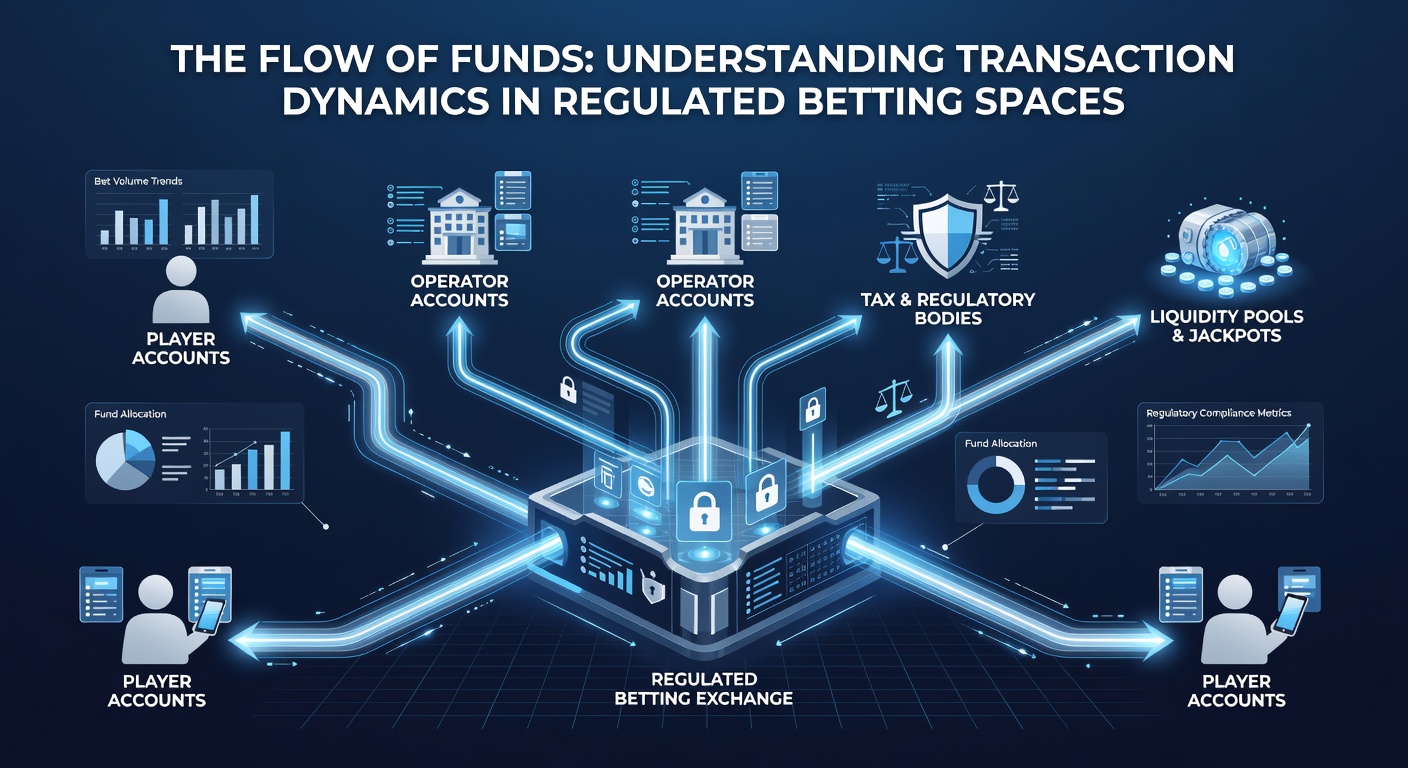
Regulated betting markets operate through structured financial pathways that move capital from participants to operators and back again while satisfying oversight requirements from multiple jurisdictions, and these pathways incorporate verification steps, settlement mechanisms, and reporting obligations that distinguish them from unregulated alternatives.
Deposit and Verification Processes
When bettors initiate transactions in licensed environments they typically encounter layered verification protocols that begin with identity confirmation and continue through funding source validation, while platforms route these deposits through segregated accounts designed to separate operational capital from player balances according to rules established by bodies such as the Pennsylvania Gaming Control Board.
Payment processors integrate directly with operator systems so funds clear through banking partners or digital wallets before reaching betting wallets, and this sequence reduces settlement delays while generating audit trails that regulators review during compliance examinations.
Bet Placement and Risk Management
Once funds reach active accounts bettors place wagers that operators record against liability ledgers, and these ledgers track exposure across markets so risk management teams can adjust odds or hedge positions through counterparties when volume concentrates on particular outcomes.
Operators maintain reserve requirements that cover potential payouts, and these reserves sit in accounts monitored by state or provincial authorities to ensure liquidity during peak settlement periods.
Payout Mechanisms and Reconciliation
Winning bets trigger automated reconciliation processes that move funds from operator reserves back to player wallets, after which withdrawal requests undergo additional checks that include source-of-funds reviews when thresholds are crossed. Data from the Alcohol and Gaming Commission of Ontario indicates that average withdrawal processing times in regulated Canadian markets range from 24 to 72 hours depending on verification status and chosen payment method.
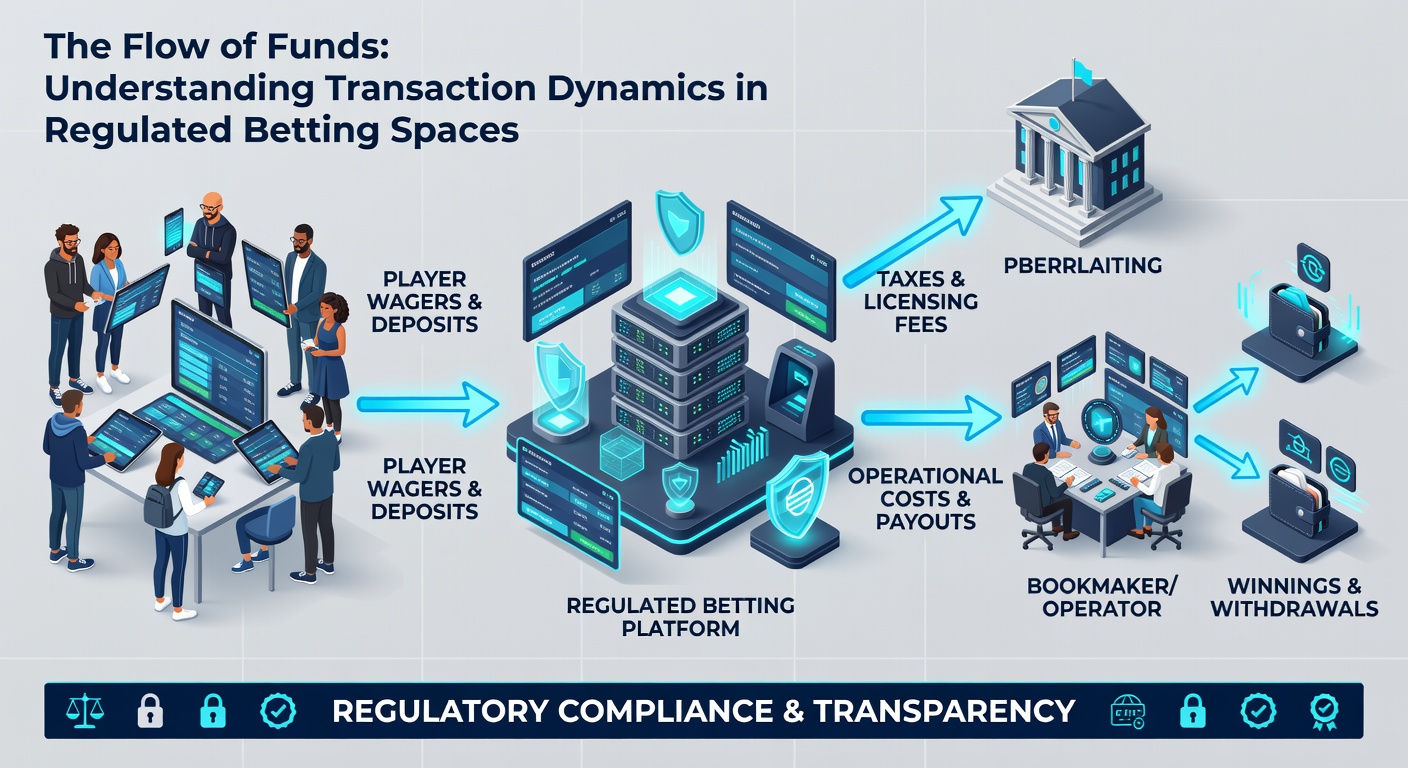
Tax obligations attach at different points depending on jurisdiction, with some regions requiring operators to withhold amounts on large wins while others place reporting duties on bettors themselves, and these rules shape how platforms structure their payout interfaces.
Anti-Money Laundering Controls
Transaction monitoring systems flag patterns that deviate from typical betting behavior, such as rapid deposit-withdrawal cycles or unusual geographic shifts, and compliance teams investigate these alerts before allowing further movement of funds. Research published by the University of Nevada, Las Vegas International Gaming Institute shows that regulated operators allocate between 1.5 and 3 percent of revenue to compliance infrastructure that includes real-time monitoring and periodic independent audits.
Cross-border transactions add another layer because operators must align with multiple regulatory frameworks simultaneously, and this alignment often requires separate reporting streams to each overseeing authority while maintaining consistent internal controls.
Settlement Timing and Peak Periods
Major sporting events create concentrated settlement windows where large volumes of funds move through systems in short timeframes, and operators prepare by pre-positioning liquidity with banking partners so that payout queues do not exceed regulatory maximums. Observers note that platforms serving multiple time zones often stagger settlement batches to smooth operational load while still meeting jurisdiction-specific deadlines.
Conclusion
The flow of funds in regulated betting spaces follows defined sequences that incorporate verification, risk management, settlement, and compliance checkpoints, and these sequences generate the transparency required by licensing authorities while enabling operators to manage operational demands across varying market conditions.