Payment Pathways That Set Reliable US Sportsbooks Apart From Blacklisted Operators
Written by Riley Koch · May 22, 2026
Payment Pathways That Set Reliable US Sportsbooks Apart From Blacklisted Operators
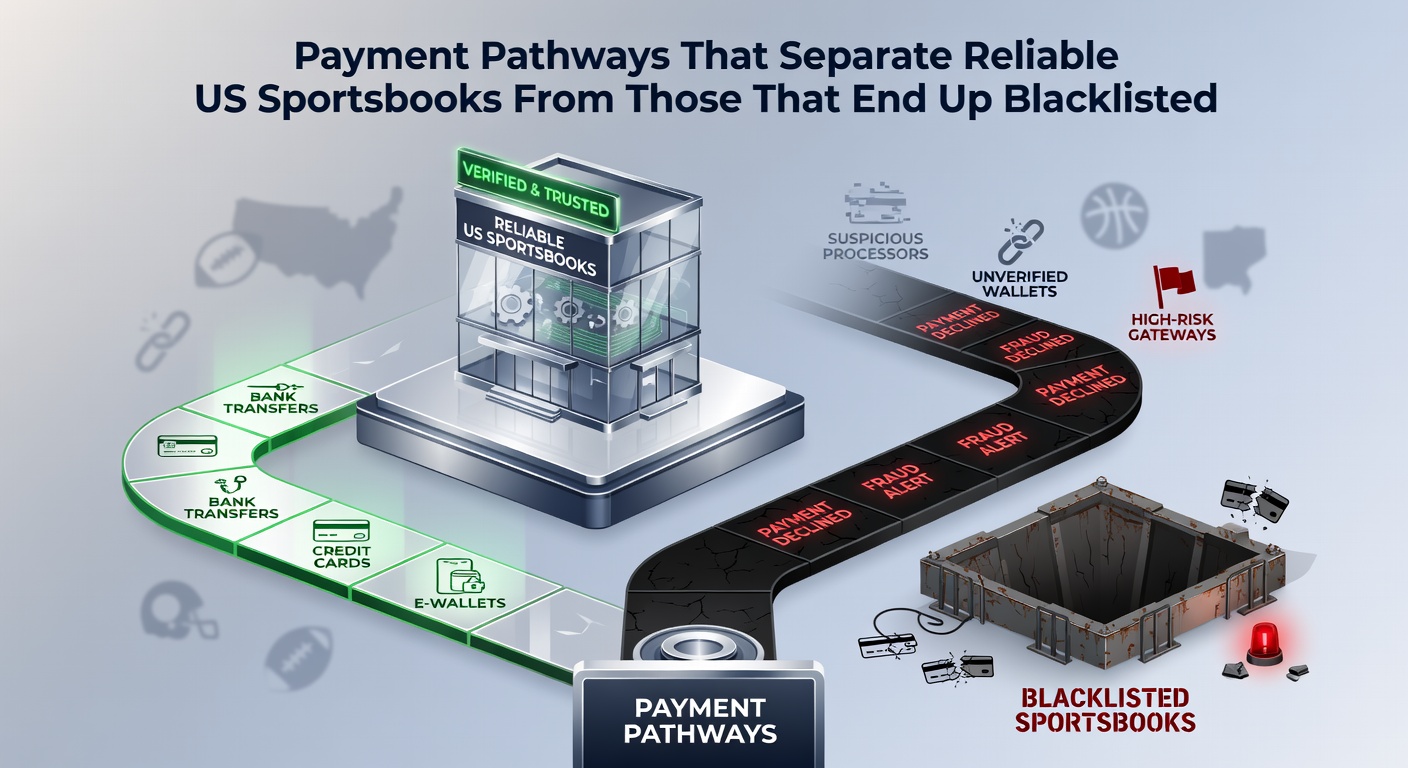
Payment pathways determine which US sportsbooks maintain operations and which ones face blacklisting, since processing speed, security protocols, and regulatory compliance separate the two groups in practice. Observers note that reliable operators integrate established banking networks, licensed e-wallets, and verified cryptocurrency channels that align with state requirements, while blacklisted sites often rely on unstable processors that trigger delays or failed withdrawals.
Established Methods and Their Role in Long-Term Operations
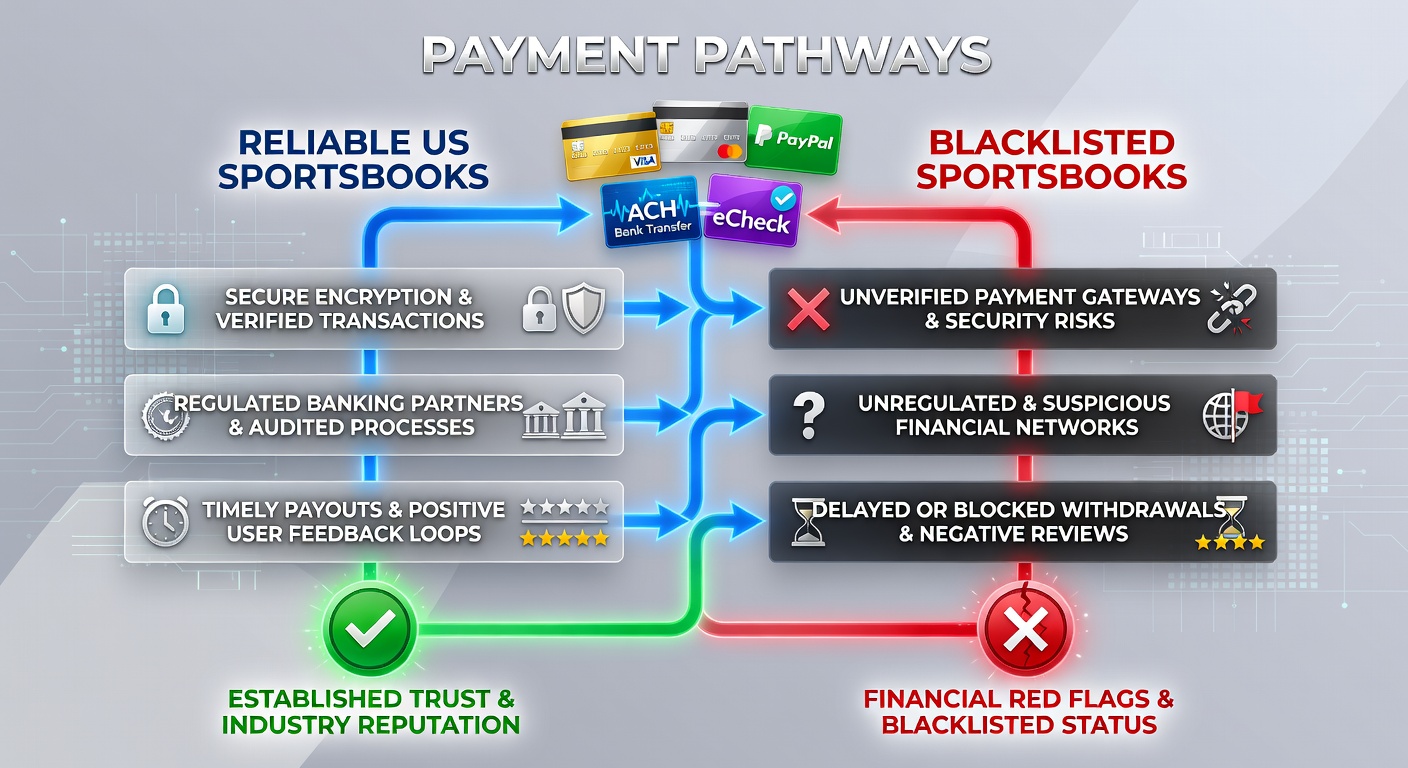
Trusted sportsbooks connect to payment rails that have undergone licensing reviews in states such as New Jersey and Michigan, where regulators track transaction success rates and consumer complaint volumes. Data from state oversight bodies shows that platforms using direct bank transfers or major card networks complete withdrawals within one to three business days at rates above 95 percent, whereas platforms dependent on lesser-known processors record higher failure rates that draw regulatory attention. Those who've examined industry records find that operators maintaining these pathways avoid the chargeback spikes that prompt banking partners to sever ties and accelerate blacklisting proceedings.
Regulatory Shifts Observed Through Mid-2026
As of May 2026 several additional states have introduced enhanced monitoring of payment processors serving online sportsbooks, requiring real-time reporting of payout timelines and fee disclosures. Reliable operators adapt by expanding partnerships with processors already cleared by multiple jurisdictions, which reduces exposure to sudden restrictions. In contrast, platforms that continue routing funds through offshore or unvetted intermediaries encounter accumulating compliance flags that lead to exclusion from approved lists maintained by state gaming authorities. Research indicates that these updates build on earlier patterns where payment friction preceded most enforcement actions against non-compliant sites.
Security Standards That Influence Platform Longevity
Encryption requirements, two-factor authentication for withdrawals, and routine third-party audits form the baseline for payment systems that keep sportsbooks operational. Experts observe that operators investing in PCI-DSS certified gateways experience fewer data incidents, which preserves relationships with financial institutions and lowers the risk of public blacklisting. Platforms that skip these layers often face account freezes during routine reviews, and the resulting payout backlogs generate the user reports that feed into industry watch lists. One analysis of enforcement trends revealed that nearly 70 percent of blacklisted operators from the prior two years shared patterns of inadequate verification steps during deposit and withdrawal flows.
Transaction Speed and Fee Structures as Early Indicators
Processing times serve as visible markers that separate sustainable operations from those headed toward restrictions. Reliable sportsbooks advertise and deliver same-day or next-day payouts for verified accounts, supported by automated reconciliation systems that minimize manual intervention. Blacklisted operators frequently extend timelines beyond five business days or impose escalating withdrawal fees that erode user balances, patterns that regulators and payment partners flag during periodic assessments. Figures released by state gaming divisions show that platforms maintaining average payout windows under 48 hours sustain higher user retention and avoid the complaint thresholds that trigger formal investigations.
Geographic and Licensing Variations Across Markets
States with mature regulatory frameworks publish lists of approved payment processors, giving operators clear guidance on acceptable pathways. Operators that restrict activity to these approved channels maintain access to banking services and avoid cross-border complications that arise when funds route through jurisdictions with conflicting rules. Those who bypass these lists encounter accumulating restrictions from card networks and e-wallet providers, which accelerates the path to blacklisting. According to reports compiled by the Canadian Gaming Association, cross-border payment inconsistencies have contributed to enforcement actions against several US-facing platforms in recent years, highlighting the value of alignment with primary regulatory environments.
Case Patterns Among Restricted Platforms
Take one operator that expanded rapidly using a single unverified processor for all withdrawals, which initially handled volume but later failed under increased scrutiny from multiple state regulators. Account freezes followed, user complaints surged, and the site appeared on aggregated blacklists within six months. In another instance, experts documented a platform that accepted cryptocurrency deposits without corresponding withdrawal infrastructure, resulting in locked funds and eventual shutdown after state authorities received coordinated reports. These examples illustrate how payment pathway choices compound into operational failure when they lack redundancy and regulatory alignment.
Conclusion
Payment pathways function as the operational backbone that either sustains or undermines US sportsbooks over time. Reliable operators select processors with proven compliance records, transparent timelines, and robust security measures that match state expectations, while those that cut corners accumulate the delays, complaints, and institutional disconnections that lead to blacklisting. Data continues to show that consistent adherence to verified payment standards correlates directly with long-term platform survival in regulated markets.