Protecting Player Assets: Security Features Employed by Modern Betting Platforms
Written by Morgan Günther · Jun 14, 2026
Protecting Player Assets: Security Features Employed by Modern Betting Platforms
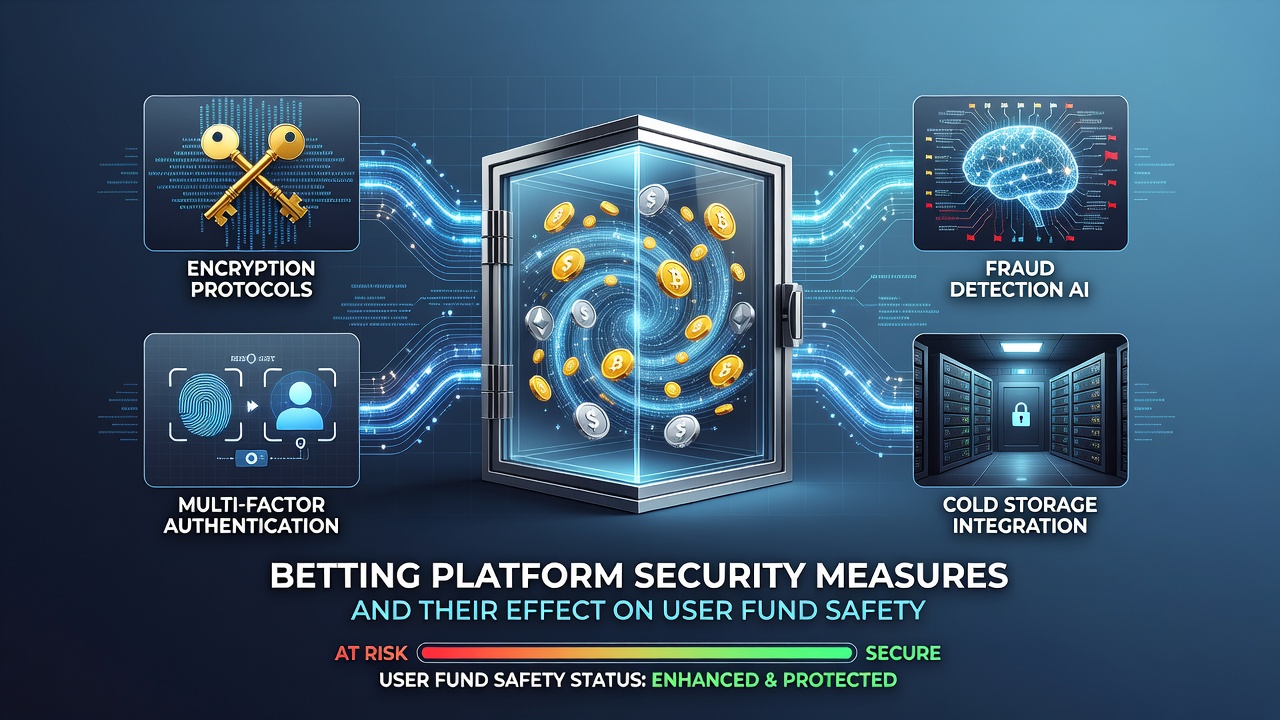
Betting platforms handle substantial volumes of user deposits and withdrawals each day, which makes robust security protocols essential for maintaining fund integrity across global markets. Operators deploy multiple layers of protection including encryption standards, multi-factor authentication systems, and continuous monitoring tools that track unusual activity patterns in real time. These measures work together to reduce risks associated with unauthorized access or fraudulent transactions while supporting regulatory requirements in various jurisdictions.
Encryption and Data Protection Standards
Secure socket layer and transport layer security protocols form the foundation of most platform defenses, scrambling data during transmission between users and servers to prevent interception by third parties. Advanced platforms also implement end-to-end encryption for stored financial records, ensuring that even internal systems cannot access sensitive details without proper authorization keys. Researchers at academic institutions have documented how these standards limit exposure during potential breaches, with data from industry analyses showing fewer successful attacks on sites that maintain updated encryption versions.
Tokenization further separates actual account numbers from transaction records by replacing them with unique identifiers that hold no value outside the specific session, which adds another barrier against data theft attempts. Observers note that platforms adopting these combined approaches experience lower rates of fund compromise compared to those relying on basic security alone.
Authentication and Access Controls
Multi-factor authentication requires users to provide multiple verification elements such as passwords, biometric scans, or one-time codes sent to registered devices before accessing accounts or processing withdrawals. This setup blocks many common attack vectors including credential stuffing and phishing schemes that target single-factor logins. Industry reports indicate that platforms enforcing these controls see measurable drops in unauthorized login attempts, particularly in regions with high mobile usage.
Behavioral analytics complement authentication by flagging deviations from established user patterns like sudden large withdrawals or logins from unfamiliar locations, triggering temporary holds until identity confirmation occurs. Experts have observed that integrating these tools allows operators to respond faster to potential threats without disrupting routine transactions for verified users.

Regulatory Oversight and Compliance Requirements
Jurisdictions enforce specific standards that directly influence how platforms manage user funds, with bodies such as iGaming Ontario requiring segregated accounts and regular audits to verify that player balances remain protected from operational shortfalls. Similar frameworks in other areas mandate third-party testing of security infrastructure before licenses are renewed, creating consistent benchmarks across operators. Figures from regulatory summaries reveal that compliant platforms maintain higher fund recovery rates following incidents due to mandated insurance and reserve policies.
As of June 2026 several regions have introduced updated guidelines on artificial intelligence integration for fraud detection, prompting platforms to enhance real-time monitoring capabilities in line with these evolving expectations. Those who've studied compliance trends note that operators meeting or exceeding these benchmarks often report fewer disputes related to fund access delays or errors.
Impact on User Fund Safety Outcomes
Combined security layers correlate with reduced incidence of fund loss according to aggregated data from multiple markets, where platforms with comprehensive protocols demonstrate stronger resilience against both external hacks and internal misuse. Withdrawal verification processes, including manual reviews for high-value transactions, further safeguard balances by confirming legitimacy before funds leave the system. Evidence suggests that users on these platforms encounter fewer complications when requesting payouts, since preemptive checks minimize reversal risks.
Case studies from established operators show that investments in security infrastructure lead to sustained user retention, as participants gain confidence in the stability of their deposited amounts over time. What's interesting is how these protections also extend to responsible gambling features, where automated limits tie into account security to prevent unauthorized overrides.
Conclusion
Security measures on betting platforms continue to evolve in response to emerging threats and regulatory updates, directly supporting the safety of user funds through layered defenses and ongoing verification. Platforms that prioritize encryption, authentication enhancements, and compliance maintain stronger protections, resulting in lower exposure levels for participants across different regions. Data from oversight organizations and research summaries confirms these connections without relying on subjective assessments, highlighting measurable improvements in fund integrity where advanced protocols are applied consistently.