Regulatory Shifts Reshaping Payment Choices for In-Country Bettors
Written by Yves Hughes · Aug 26, 2026
Regulatory Shifts Reshaping Payment Choices for In-Country Bettors
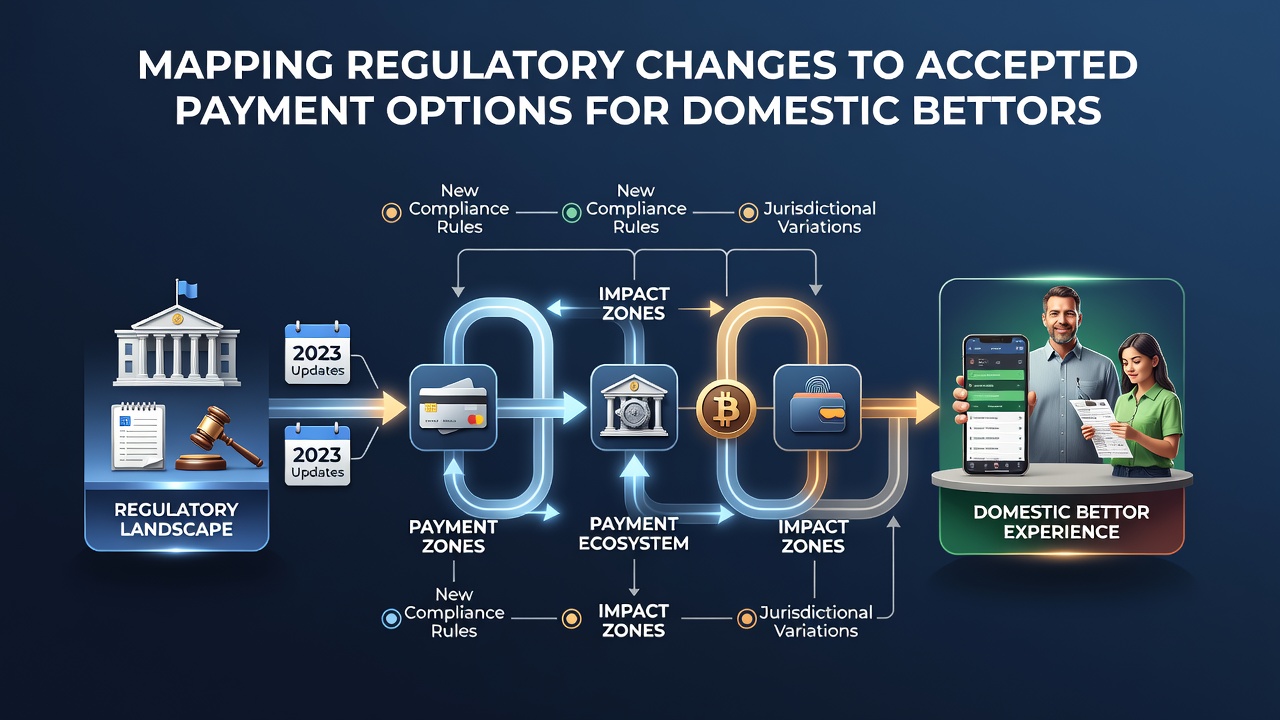
Regulatory frameworks around the world continue to evolve and they directly influence which payment methods domestic bettors can access when placing wagers within their home jurisdictions. Changes in legislation often target consumer protection, anti-money laundering standards, and financial transparency, which means operators must adjust accepted deposit and withdrawal options to remain compliant. Observers note that these adjustments create a shifting map where credit cards, e-wallets, bank transfers, and emerging digital currencies gain or lose approval based on new rules rather than market preference alone.
Tracking Recent Legislative Updates Across Key Regions
Multiple jurisdictions have introduced or revised statutes that restrict certain payment channels while opening doors for others, and these moves typically align with broader efforts to monitor transaction flows more closely. In the United States, individual state gaming control boards have updated guidelines on electronic funds transfers, requiring enhanced verification steps that affect how quickly bettors can move money from personal accounts. Data from the National Conference of State Legislatures shows that several states implemented additional reporting requirements for transactions above specific thresholds starting in early 2025, with further refinements scheduled for rollout by August 2026.
Canadian provinces have followed a parallel path where provincial regulators tightened rules on third-party processors, prompting many platforms to phase out certain prepaid card options in favor of direct bank integrations that allow real-time monitoring. European authorities outside the United Kingdom have focused on harmonizing cross-border standards, leading operators to favor methods that include built-in identity checks. Researchers at academic institutions tracking these patterns have documented how such reforms reduce the availability of anonymous payment tools while increasing reliance on traceable systems.
Impact on Specific Payment Methods
Credit and debit card transactions face the most frequent adjustments because card networks often align their policies with local statutes to avoid penalties. When regulators impose stricter chargeback protections or mandate source-of-funds declarations, operators respond by limiting card deposits or introducing daily caps that were not present before the rule changes. E-wallets encounter similar pressures, yet many have adapted by incorporating compliance features that allow continued use in markets where plain bank wires might otherwise dominate.
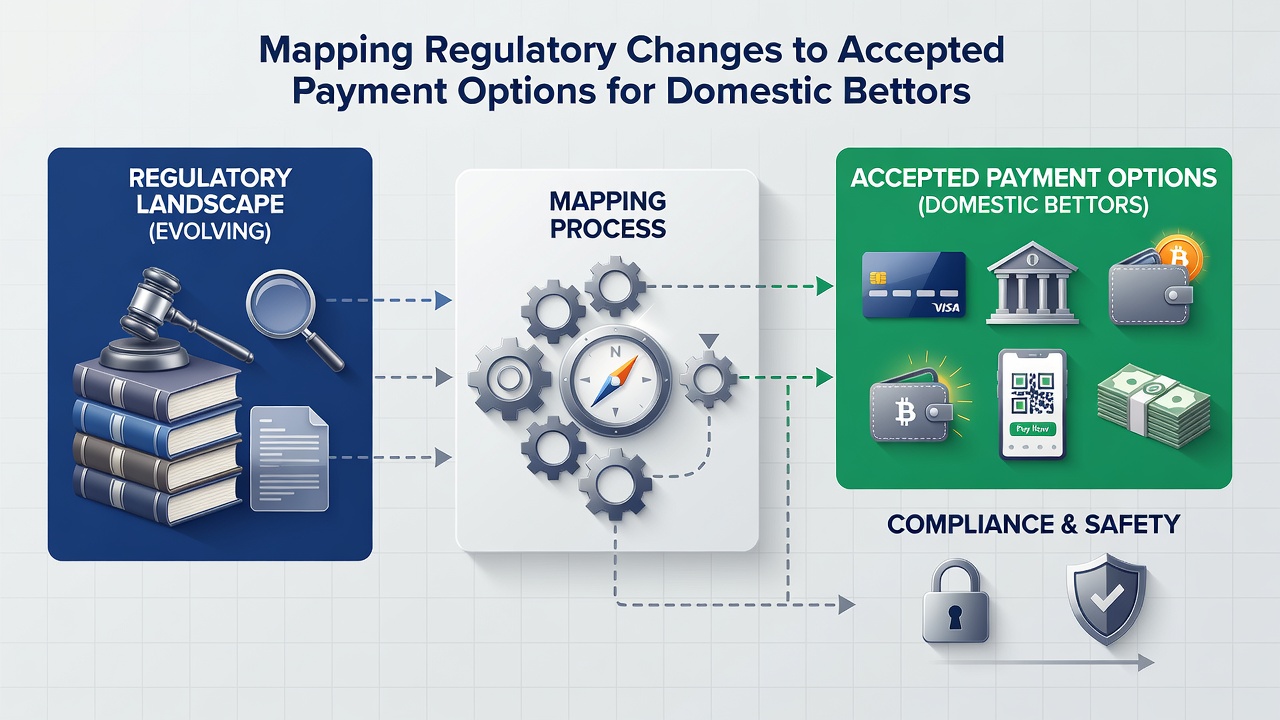
Bank transfers remain a stable option in most domestic settings because they provide clear audit trails that satisfy anti-money laundering criteria, although processing times can vary when new verification layers are added. Cryptocurrency options present a more complex picture since some jurisdictions have begun to classify them as acceptable when operators register with financial authorities and implement wallet screening protocols, while others maintain outright prohibitions. Figures from industry reports indicate that markets permitting regulated crypto deposits have seen measurable shifts in transaction volumes during periods of policy transition.
Case Examples of Mapped Changes
Take one jurisdiction that moved from allowing a wide range of prepaid vouchers to restricting them entirely after updated consumer protection laws took effect. Operators in that market transitioned bettors toward verified e-wallet accounts linked to personal identification documents, and compliance data revealed faster resolution of disputes once the change stabilized. Another region introduced mandatory two-factor authentication for all electronic transfers above a certain amount, which led platforms to prioritize payment partners already equipped with those security measures rather than rebuilding internal systems.
Those who have studied these transitions note that the mapping process often reveals clusters of similar rules emerging in neighboring jurisdictions, creating regional patterns where payment options become standardized across borders. This convergence reduces friction for operators serving multiple markets while still requiring bettors to navigate slight differences in approval timelines and documentation demands.
Future Developments Expected by August 2026
Regulatory bodies in several areas have signaled that additional guidance on digital asset integration and instant payment rails will be released around August 2026, which is likely to accelerate the replacement of legacy methods with systems that support automated compliance checks. Industry associations have compiled preliminary analyses showing that operators who align their payment portfolios early tend to experience smoother transitions when new statutes activate. The European Gaming and Betting Association has published updates highlighting how technical standards for transaction monitoring continue to influence which processors remain viable for domestic use.
Conclusion
The ongoing process of aligning payment options with regulatory requirements creates a dynamic environment where domestic bettors encounter different choices depending on jurisdiction and timing. Mapping these changes reveals consistent themes around transparency, verification, and risk management that shape available methods across regions. As statutes continue to develop, the connections between legal updates and accepted payment channels remain central to understanding how domestic betting markets function in practice.