The Lifecycle of a Wager: Tracing Deposit Methods, Rule Compliance, and Payout Processes Across American-Friendly Platforms
Written by Kai Hayes · Aug 2, 2026
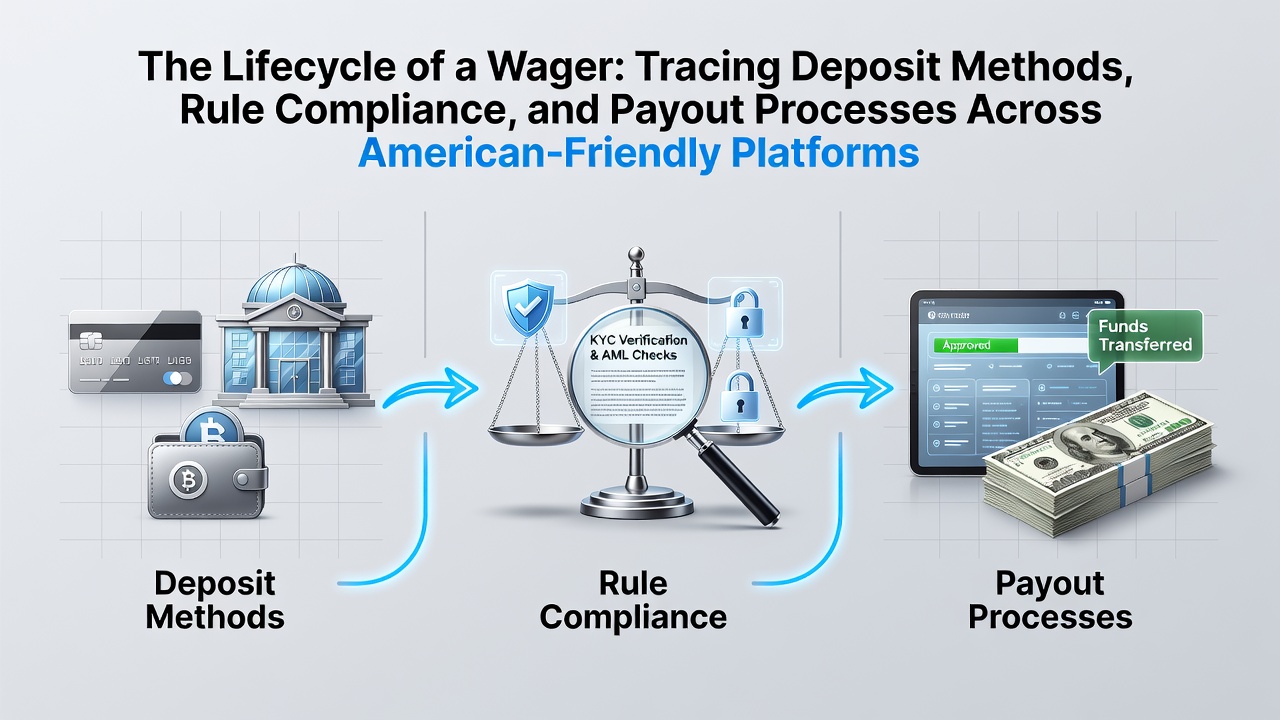
The Lifecycle of a Wager: Tracing Deposit Methods, Rule Compliance, and Payout Processes Across American-Friendly Platforms
American-friendly platforms handle wagers through structured sequences that begin with funding an account and end with verified payouts, all while meeting state-specific and federal requirements that shape every step along the way.
Deposit Methods and Initial Funding Steps
Users typically start by selecting from credit cards, e-wallets, bank transfers, and cryptocurrency options, each carrying distinct processing times and fee structures that vary by platform and jurisdiction. Credit card deposits often clear instantly yet trigger additional verification layers in regulated markets, whereas bank transfers may take one to three business days but align more closely with anti-money laundering protocols enforced across multiple states. E-wallets such as PayPal and Skrill provide faster movement of funds in states where they operate legally, and cryptocurrency deposits have gained traction because they bypass some traditional banking restrictions while still requiring wallet address confirmation.
Platforms serving American bettors integrate these methods through secure gateways that automatically flag unusual activity for review, and data from the Nevada Gaming Control Board indicates that transaction monitoring systems processed millions of deposits annually with compliance checks embedded at the point of entry. In August 2026, several platforms updated their interfaces to accommodate new digital wallet integrations that comply with evolving state licensing rules.
Rule Compliance and Verification Protocols
Account creation triggers mandatory Know Your Customer procedures that include identity document uploads, address confirmation, and age verification to ensure participants meet the minimum legal threshold in their location. Geo-location software runs continuously during sessions to confirm users remain within approved state boundaries, and any detected VPN usage or location mismatch results in temporary account restrictions until the issue resolves. Platforms maintain detailed records of these checks because regulatory bodies require them for audits, and research from the Alcohol and Gaming Commission of Ontario shows that consistent application of these protocols reduces unauthorized access incidents across cross-border operations.
Terms of service outline prohibited behaviors such as bonus abuse and multi-account creation, with automated systems scanning betting patterns for signs of rule violations before any wager settles. Observers note that compliance teams review flagged accounts within 24 to 48 hours, during which time deposits remain on hold and users receive notification of required actions. Those who've navigated the process often discover that preemptive submission of updated identification documents speeds resolution when annual reverification cycles occur.
Payout Processes and Withdrawal Handling
Once a wager settles and funds become available, users initiate withdrawals through the same methods used for deposits whenever possible, though some platforms route larger sums exclusively through bank transfers or checks for security reasons. Processing times range from a few hours for e-wallet requests to five business days for wire transfers, with an initial review period that verifies the withdrawal matches the original funding source to satisfy anti-money laundering requirements. Minimum and maximum withdrawal limits apply per transaction and per month, and these thresholds adjust according to account verification level and platform policy.
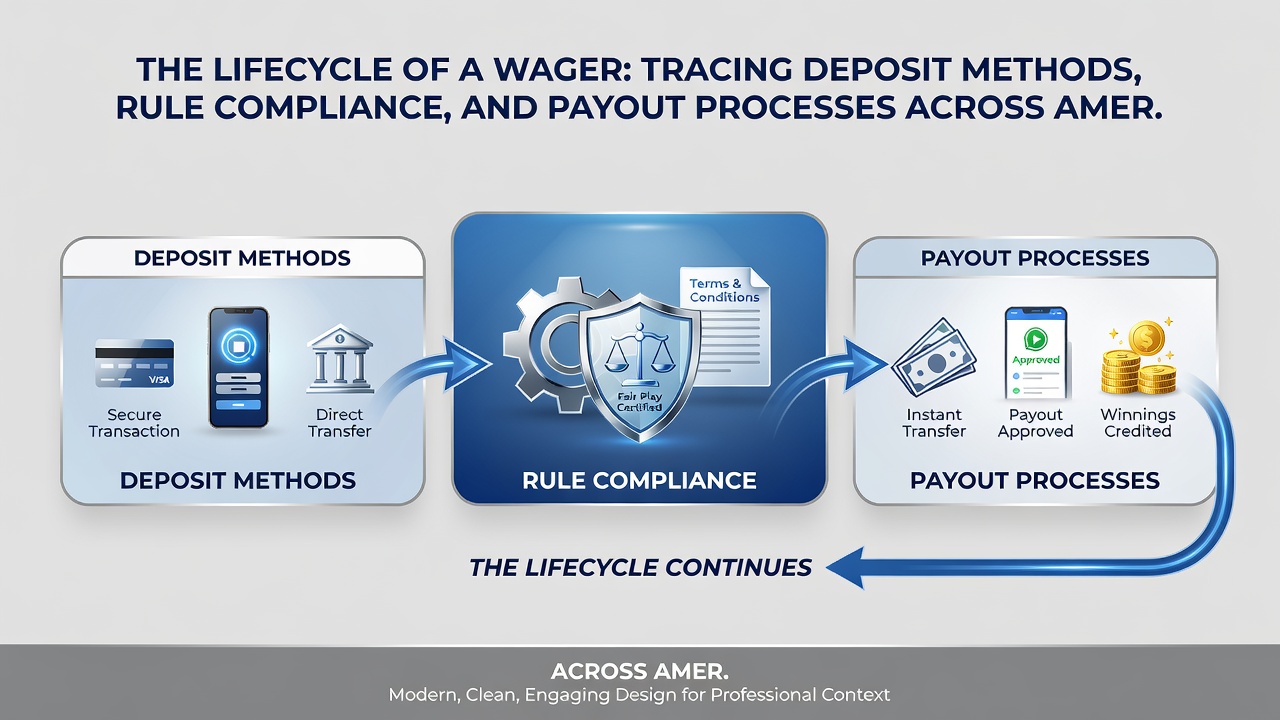
Additional documentation may be requested for first-time withdrawals or amounts exceeding set thresholds, and this step ensures the recipient name matches the account holder exactly. Studies indicate that platforms with streamlined verification dashboards complete most payout requests within the advertised windows, while delays typically stem from incomplete paperwork rather than system failures. American-friendly sites operating in multiple states coordinate these processes with each jurisdiction's tax reporting obligations, automatically generating forms when annual winnings cross federal thresholds.
Platform Variations Across Legal and Offshore Environments
State-regulated sportsbooks in places like New Jersey, Pennsylvania, and Michigan enforce uniform payout timelines and deposit limits that differ from offshore platforms, which often advertise quicker processing but operate without the same level of oversight. Offshore operators accepting American players frequently rely on international payment processors and cryptocurrency rails to circumvent domestic banking limitations, yet they still apply internal compliance checks that mirror many regulatory standards to maintain banking relationships. Data shows that users who maintain consistent documentation across accounts experience fewer interruptions when switching between legal state apps and offshore alternatives during travel or residency changes.
Payment method availability also shifts depending on the platform category, with legal sites more likely to support direct bank links through partnerships with state-approved processors, whereas offshore options expand cryptocurrency selections to serve users in restricted areas. Both categories require users to complete periodic security quizzes and update contact information, and these routine steps reduce account lockouts during payout phases. What's interesting is how platforms in August 2026 began piloting instant payout features tied to verified digital identities, a development that aligns with broader industry moves toward faster fund movement without sacrificing verification integrity.
Conclusion
The full lifecycle of a wager on American-friendly platforms connects deposit selection, ongoing compliance monitoring, and structured payout execution into one continuous process governed by technical systems and regulatory expectations. Each phase builds on the previous one, with verification checkpoints ensuring funds move only after identity and location confirmations clear. Observers note that platforms investing in unified compliance tools across deposit and withdrawal stages reduce friction for users while meeting obligations set by state and federal authorities. As payment technologies advance and more jurisdictions establish clear frameworks, the tracing of these processes continues to evolve in measurable, documented ways.