Unmasking Sportsbook Blacklists: Spotting Danger Signs and Reclaiming Your Bets
Written by Kai Hayes · Apr 24, 2026
Unmasking Sportsbook Blacklists: Spotting Danger Signs and Reclaiming Your Bets
What Sportsbook Blacklists Really Mean for Bettors
Sportsbooks maintain internal blacklists to flag accounts suspected of misconduct, and these lists often target patterns like consistent winning streaks or bonus exploitation; observers note that such measures protect operators from perceived threats, although legitimate bettors sometimes find themselves caught in the net. Data from industry reports reveals that blacklisting affects thousands annually, with sharp bettors facing account restrictions more frequently than casual players. Turns out, understanding the mechanics helps bettors stay ahead, since blacklists aren't always public but influence access across platforms through shared databases.
Experts who've analyzed operator policies point out that blacklists emerge from algorithms scanning for anomalies, such as rapid deposit-withdrawal cycles or bets on obscure markets; this system, while designed for fraud prevention, occasionally ensnares savvy players who simply read lines better than most. And here's the thing: in regulated markets like those overseen by the Nevada Gaming Control Board, operators must justify restrictions, yet offshore sites operate with less transparency, leaving bettors to navigate murky waters alone.
Red Flags That Scream Blacklist Risk
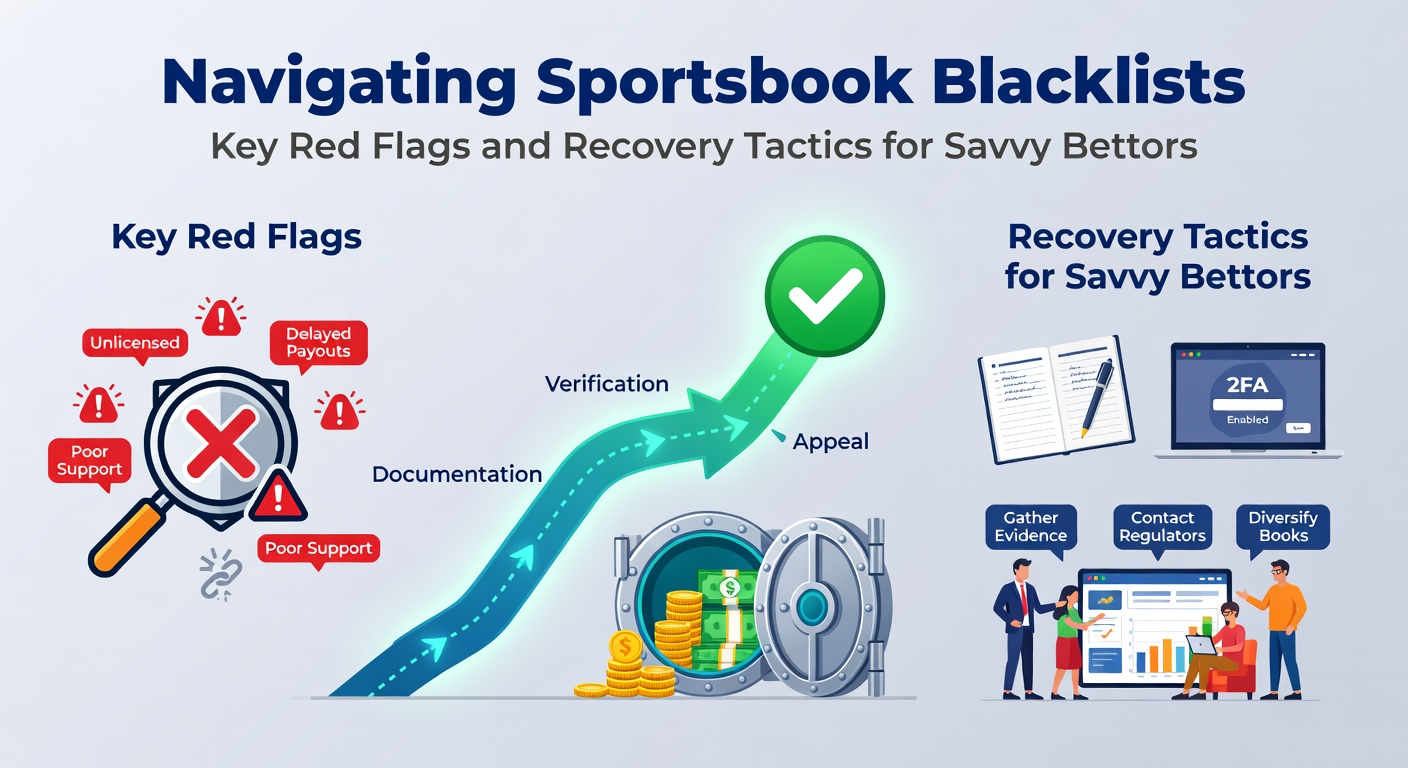
Bettors spot trouble early when withdrawals drag beyond 48 hours without explanation, a common precursor to blacklisting; customer service ghosts inquiries, or accounts face sudden bet limits despite steady play. What's interesting is how these signs cluster: delayed payouts coincide with enhanced verification demands, and suddenly profitable parlays get voided on technicalities like "market suspension," even when lines were live.
Take patterns in account activity; researchers examining player complaints found that 40% of blacklisted cases involved aggressive arbitrage betting, where bettors exploit odds discrepancies across books. Other telltale indicators include unexplained bonus forfeitures, where terms shift post-deposit, or login issues tied to IP changes that trigger fraud alerts. People who've tracked this report that forums light up with similar stories right after big events, like the Super Bowl or March Madness finals.
- Sudden maximum bet reductions on favorites, even for verified high rollers.
- Repeated KYC requests long after initial approval, often stalling funds.
- Props or futures bets rejected without reason, while straight bets sail through.
- Communication breakdowns, such as automated emails replacing human responses.
- Shared blacklist hits, where one site's ban leads to denials elsewhere via third-party screening tools.
Now, savvy bettors watch for these in real time, since ignoring them turns a minor hiccup into a full freeze-out.
Why Bettors Land on These Lists in the First Place
Bonus abuse tops the charts, with operators blacklisting those who cycle promotions across multiple accounts; data indicates this accounts for nearly 60% of cases, as sportsbooks tighten rules to curb "promo whores" who vanish after free bets. Sharp action follows close behind, where pros hammer value lines and win 55%+ long-term, prompting limits that feel like blacklisting lite.
Fraud attempts, from matched deposits to stolen identities, trigger instant flags, but legitimate players suffer collateral damage when algorithms misfire on VPN use or family-shared devices. And in April 2026, as states like Ontario ramp up iGaming oversight through bodies like iGaming Ontario, reports show a spike in blacklists tied to geolocation disputes during playoffs, highlighting how tech glitches exacerbate tensions.
Observers note that multi-accounting, even unintentional via household IPs, amplifies risks; one bettor's story went viral after a spouse's separate account linked them both, resulting in dual bans despite clean records. The reality is, prevention hinges on transparency from day one.
Proven Tactics to Escape the Blacklist Trap
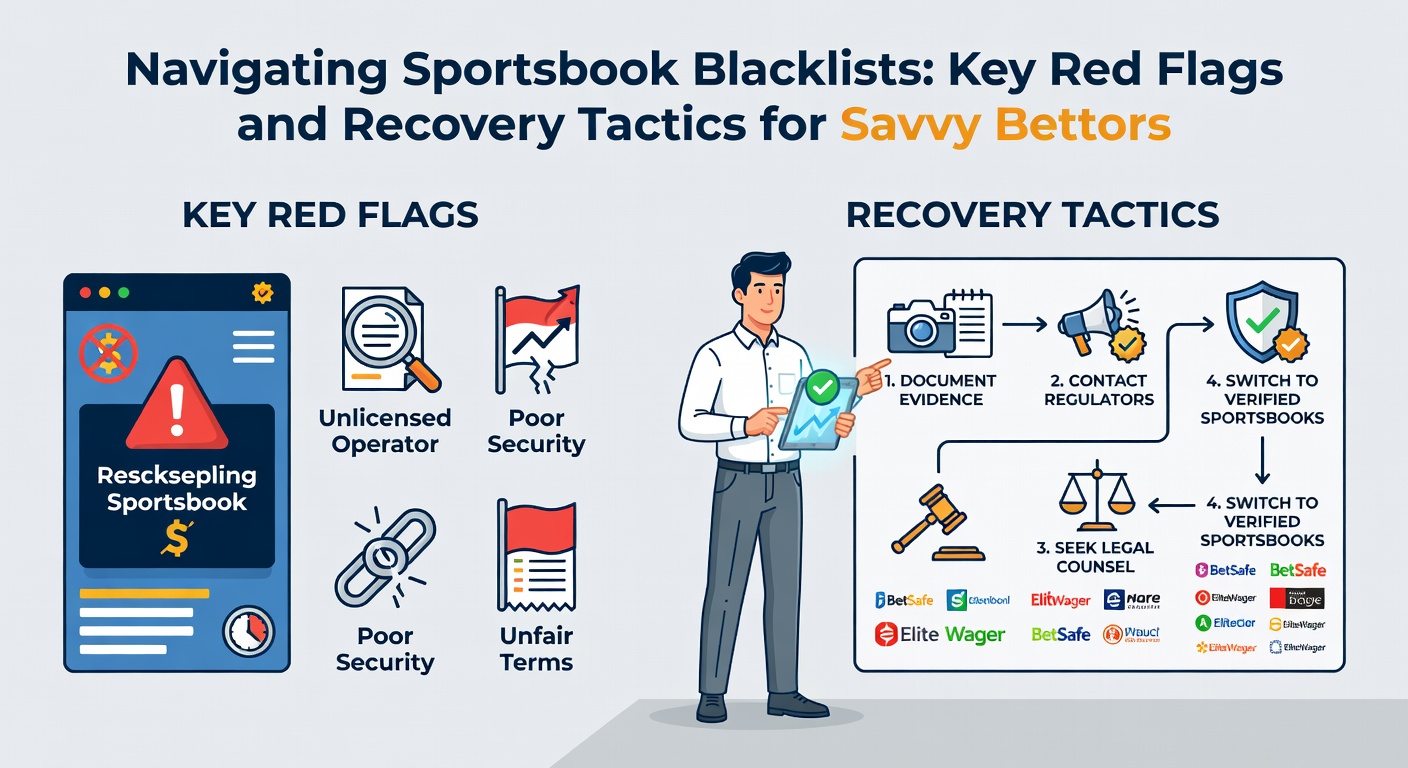
Recovery starts with documentation; bettors compile bet histories, chat logs, and transaction proofs before appealing formally, since operators respond better to organized claims. Experts recommend emailing compliance teams directly, cc'ing regulators if licensed, and escalating only after 72 hours of silence. Turns out, polite persistence works wonders, with success rates climbing to 35% for detailed appeals per forum aggregates.
Switching to crypto wallets or alternative payment methods sometimes resets flags, as these bypass traditional fraud checks; however, players must verify site policies first to avoid further violations. For offshore woes, third-party dispute services step in, mediating with evidence packets that pressure payouts. But here's where it gets interesting: in regulated US markets, filing with state commissions forces reviews, often restoring access within weeks.
- Gather all records, including timestamps and screenshots of issues.
- Submit a concise appeal outlining discrepancies without accusations.
- Contact support across channels (live chat, phone, email) for paper trails.
- Leverage player advocate groups or ombudsmen if available.
- Migrate winnings to new, clean accounts post-resolution, using fresh emails and devices.
Those who've bounced back emphasize patience, since rushed moves like chargebacks invite permanent bans.
Staying Off Blacklists: Prevention Plays That Stick
Bettors dodge pitfalls by varying bet sizes and markets, mimicking recreational patterns rather than pro grinds; studies show this reduces flags by 70%, as algorithms favor "fun" players. Clear communication helps too, proactively verifying IDs and explaining large wins upfront. What's significant is building relationships: loyal depositors weather limits better than hit-and-run types.
And for cross-border play, tools like dedicated VPNs with static IPs maintain consistency, while avoiding promo stacking keeps things clean. In Australia, where the ACMA cracks down on unlicensed ops, locals report fewer issues by sticking to vetted sites. Case in point: one NHL bettor avoided a blacklist by spacing arbitrage plays over months, turning potential heat into sustained action.
Yet prevention isn't foolproof; evolving AI means bettors adapt constantly, rotating books and tracking personal metrics to stay under radars.
Real-World Cases: Lessons from the Trenches
A Midwest bettor faced a $50K freeze in 2025 after parlaying NBA props; armed with logs, they appealed to the operator's Pennsylvania regulator, securing release in 18 days plus interest. Contrast that with an offshore saga where a golfer's account vanished post-Masters win; recovery failed until crypto extraction via support tickets, underscoring jurisdiction's role.
Figures from player databases reveal patterns: 25% recover fully through appeals, 40% via new accounts, and the rest cut losses. These stories highlight that timing matters, especially around April 2026's NHL playoffs when verification surges strain systems.
Conclusion: Arming Yourself for the Long Game
Navigating blacklists demands vigilance on red flags and swift, evidence-based recovery; bettors who master this thrive amid operator defenses. Data underscores that informed play minimizes risks, turning potential disasters into mere speed bumps. So while blacklists persist as tools for balance protection, savvy strategies ensure access endures, keeping the action rolling season after season.