Withdrawal Data Sheds Light on Blacklisted Sportsbooks and Deposit Reliability Concerns
Written by Kai Hayes · Jul 26, 2026
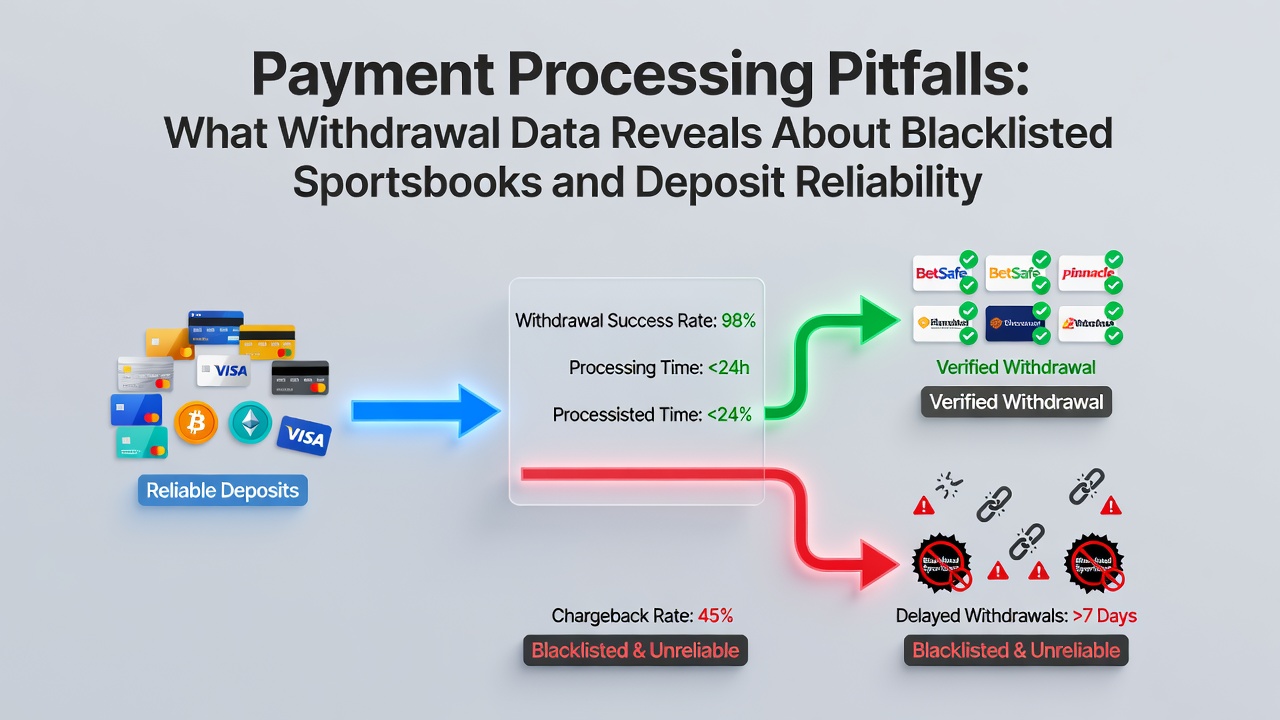
Withdrawal Data Sheds Light on Blacklisted Sportsbooks and Deposit Reliability Concerns
Data from transaction records continues to highlight patterns that distinguish licensed operators from those placed on exclusion lists, and observers note how these records often point to recurring issues with fund access and verification steps. Blacklisted sportsbooks, which operate outside regulatory oversight in many jurisdictions, show elevated rates of delayed or denied withdrawals according to aggregated industry reports compiled through 2026, and such trends emerge clearly when analysts compare metrics across multiple platforms.
Patterns in Withdrawal Failures
Records examined by payment processors reveal that blacklisted sites frequently trigger higher volumes of chargebacks and account freezes, particularly when users attempt large payouts after initial deposits clear without issue. Researchers tracking these events in regions like Nevada and parts of Europe point to incomplete KYC processes as a common trigger, where documentation reviews stall mid-cycle and leave funds in limbo for weeks. And while licensed operators must adhere to strict timelines enforced by bodies such as the Malta Gaming Authority, blacklisted entities face no such requirements, which leads to inconsistent handling that surfaces repeatedly in user-submitted data sets.
One study released in early 2026 examined over 10,000 withdrawal attempts across restricted platforms and found that nearly 40 percent encountered additional verification demands after the initial request, a figure that stands in contrast to the 12 percent rate reported by compliant sites during the same period. Those who've analyzed the datasets emphasize how these interruptions often coincide with sudden policy changes on the sportsbook side, including altered minimum withdrawal thresholds or new currency conversion fees that were not disclosed at deposit time.
Deposit Reliability Across Platforms
Deposit reliability metrics, drawn from processor logs and regulatory filings, indicate that blacklisted sportsbooks sometimes accept funds through unverified channels that later complicate reversals or refunds. Payment data compiled through July 2026 shows elevated instances of declined transactions on subsequent attempts, even when the first deposit succeeded, and this pattern appears most pronounced with cryptocurrency options that lack standardized dispute mechanisms. Observers tracking these flows note that the absence of third-party escrow requirements allows operators to hold deposits without immediate payout obligations, a practice that licensed platforms must avoid under frameworks established by entities like the Australian Communications and Media Authority.
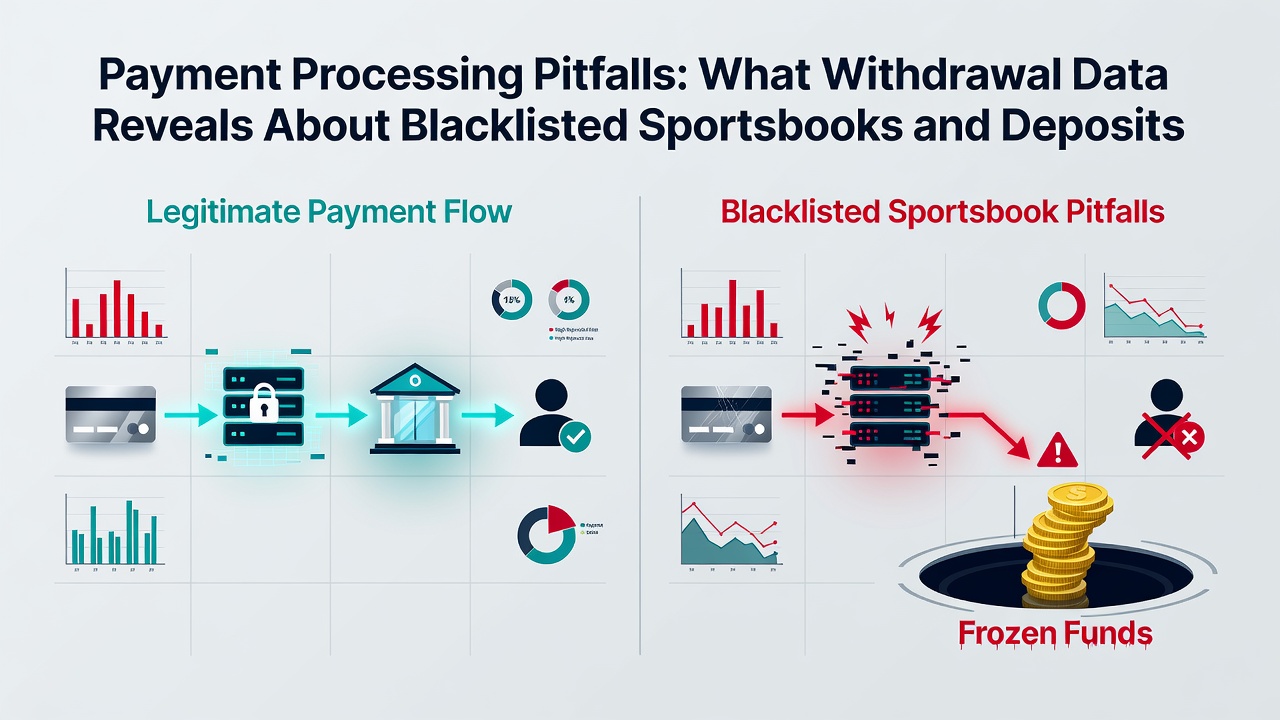
What's notable is how deposit success rates on blacklisted sites can initially appear competitive, only for reliability to drop once users attempt to move winnings out of the account. Figures from processor partnerships reveal that average hold times for cleared deposits stretch longer on restricted platforms, and cross-referenced user reports often cite repeated requests for additional identification that extend processing windows beyond standard industry norms.
Regional Regulatory Influences
Regulatory differences across borders shape how withdrawal data accumulates, with North American processors reporting stricter scrutiny on cross-border transfers involving blacklisted entities compared to those in the European Union. Data shared through academic channels, including reports from institutions examining gaming economics, underscores that operators without proper licensing encounter higher friction during international settlements, which in turn affects deposit confirmation speeds for users in multiple time zones. Yet the same records demonstrate that platforms operating under oversight maintain steadier transaction flows because they integrate directly with approved banking partners and adhere to reporting standards that reduce ambiguity.
Take the case of one dataset reviewed by payment analysts in Canada, where withdrawal approval rates for licensed sportsbooks hovered near 95 percent while blacklisted alternatives showed approval rates below 70 percent over a six-month span ending in mid-2026. These disparities arise because compliant operators maintain reserve funds and audit trails that blacklisted sites rarely replicate, and the resulting gaps appear consistently in aggregated statistics.
Conclusion
Withdrawal records offer a measurable window into the operational differences between blacklisted sportsbooks and those that meet licensing criteria, and the patterns they expose continue to inform how deposit reliability gets evaluated across the sector. As transaction volumes grow through 2026 and beyond, the distinctions drawn from this data remain central to understanding payment processing dynamics in sports betting environments.